
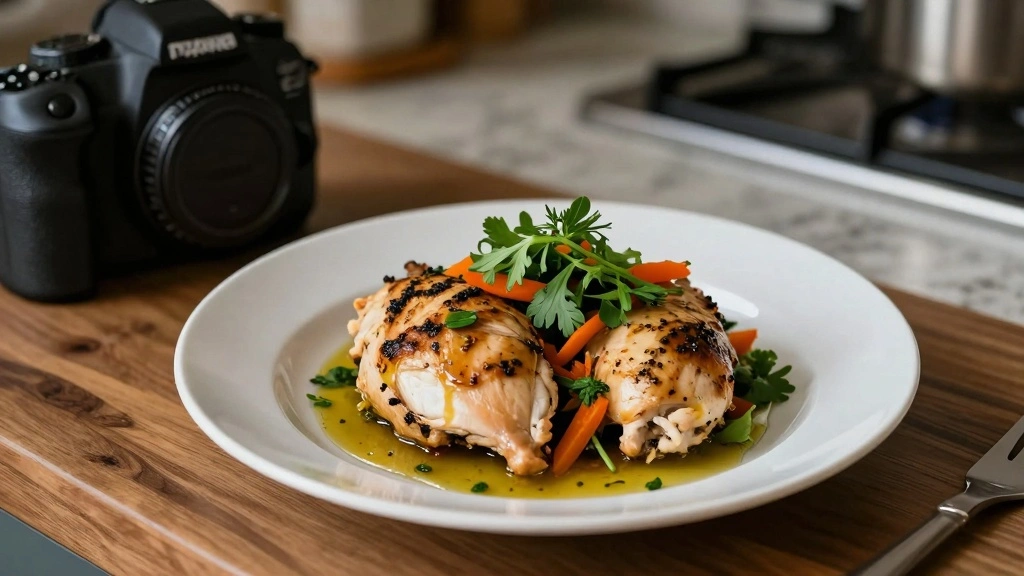
There’s something undeniably comforting about a chicken dinner that also nourishes the body.
This healthy chicken dish combines wholesome ingredients with a rich flavor profile that makes it feel like a warm embrace.
Inspired by the fresh and vibrant flavors of Mediterranean cuisine, this recipe is perfect for any season.
I first discovered this delightful combination while visiting a small coastal town where locals prioritize both taste and health.
Whether it’s a weeknight dinner or a weekend gathering, this dish promises to impress without any guilt.
The History and Cultural Significance
• Healthy Chicken Dinner traces its origins to the Mediterranean region, where it was originally created by cooks seeking nutritious yet satisfying meals.
• The dish evolved over decades as ingredients like olive oil and fresh herbs became more accessible, eventually becoming the beloved version we know today.
• In Mediterranean cultures, this dish traditionally appears at family gatherings, symbolizing health and longevity.
• While many variations exist across different regions, the authentic version maintains a balance of protein, healthy fats, and fresh vegetables, setting it apart from imitations.
Recipe Overview
Nutritional Information (per serving)
Essential Equipment Guide
Cast Iron Skillet: A cast iron skillet is essential for achieving a perfect sear on the chicken, which adds depth to the flavor. Alternatives include heavy-bottomed stainless steel pans. Look for a pan with a well-seasoned surface to prevent sticking.
Food Processor: Important for creating a smooth and uniform sauce that coats the chicken. Alternatives include a blender or immersion blender, though consistency may vary. Select a processor with multiple speed settings for better control.
Oven Thermometer: Ensures accurate oven temperatures, crucial for cooking chicken evenly. Alternatives include digital instant-read thermometers. Choose a thermometer with quick response times for best results.
Ingredients
For the Chicken
|
|
| Amount | Ingredient | Notes |
|---|---|---|
| 4 pieces | chicken breasts | boneless and skinless, about 6 ounces each |
| 2 tablespoons | olive oil | extra virgin, for richness |
For the Sauce
| Amount | Ingredient | Notes |
|---|---|---|
| 1 cup | Greek yogurt | adds creaminess |
| 2 tablespoons | lemon juice | freshly squeezed, for tanginess |
| 1 tablespoon | garlic | minced |
| 1 teaspoon | oregano | dried, for aroma |
Vegetables
| Amount | Ingredient | Notes |
|---|---|---|
| 2 cups | baby spinach | fresh, adds nutrients |
| 1 large | red bell pepper | sliced, for sweetness |
Seasonings
| Amount | Ingredient | Notes |
|---|---|---|
| 1 teaspoon | salt | enhances flavor |
| 1 teaspoon | black pepper | freshly ground, adds spice |
Preparation Methods
Marinating: This technique involves soaking the chicken in a mixture of yogurt, lemon juice, garlic, and oregano. It tenderizes the meat and infuses it with flavor.
Deglazing: After searing the chicken, this technique involves adding a liquid to the pan to lift and dissolve the flavorful browned bits. It creates a base for the sauce.
Sautéing: A method of cooking the vegetables quickly over high heat in a small amount of oil. It retains their color, flavor, and nutrients.
Step 1: Prepare Ingredients
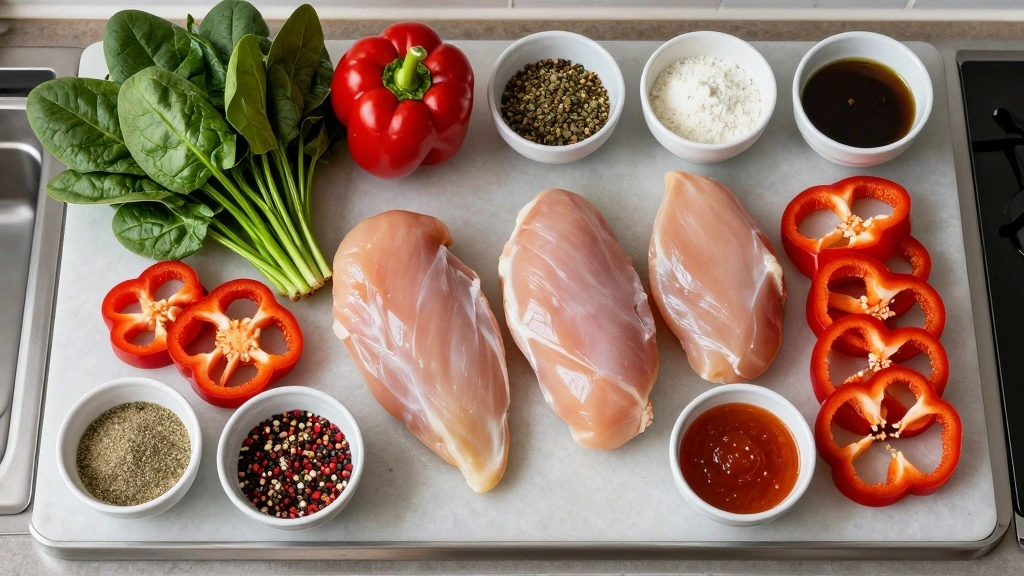
Gather all ingredients and measure them accurately.
Ensure chicken breasts are of even thickness for uniform cooking.
Slice the red bell pepper into thin strips and wash the spinach thoroughly.
Set aside all prepared ingredients within reach of your cooking area.
Step 2: Marinate the Chicken

In a large bowl, combine Greek yogurt, lemon juice, minced garlic, and dried oregano.
Add the chicken breasts and coat them evenly with the marinade.
Cover the bowl and refrigerate for at least 15 minutes to allow the flavors to penetrate.
This step ensures that the chicken remains moist and flavorful during cooking.
Step 3: Preheat the Skillet
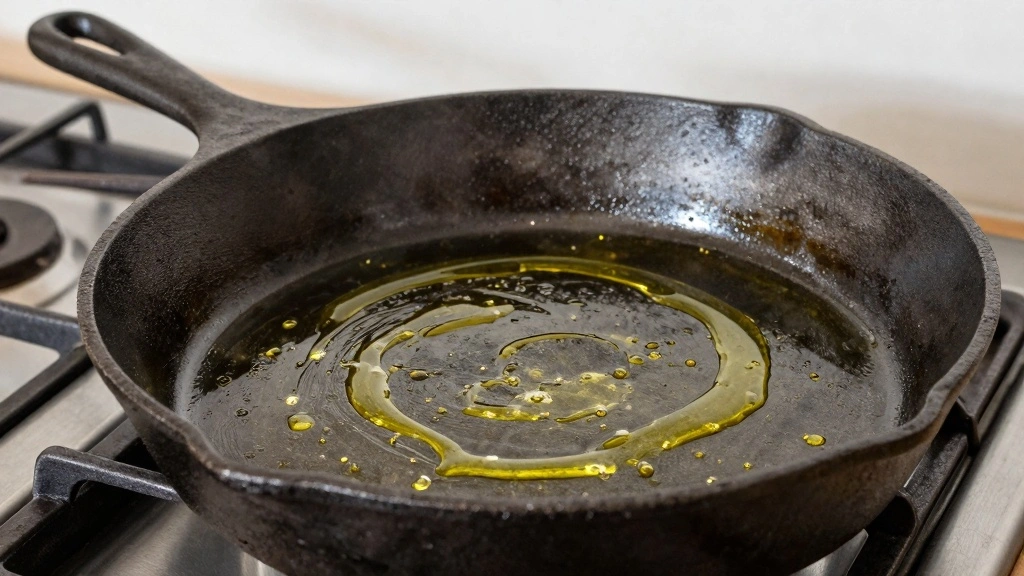
Place a cast iron skillet over medium-high heat and add olive oil.
Allow the oil to heat until it shimmers, indicating it's ready for cooking.
Properly heating the skillet ensures a good sear on the chicken.
Avoid adding the chicken too early to prevent sticking.
Step 4: Sear the Chicken
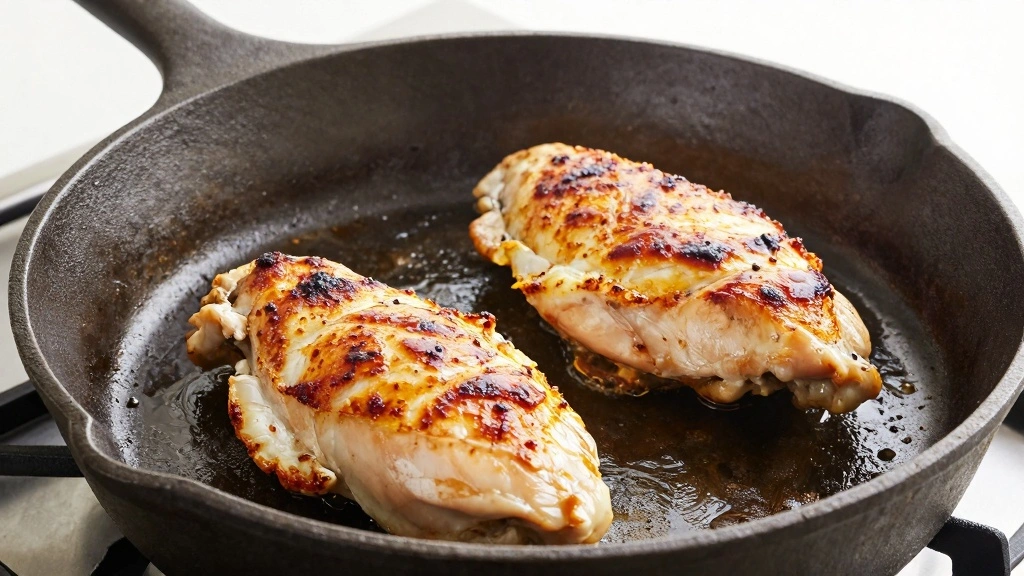
Remove the chicken from the marinade, shaking off excess.
Place the chicken in the hot skillet and sear for 3-4 minutes on each side.
Look for a golden-brown crust to form.
This step locks in juices and enhances flavor.
Step 5: Deglaze the Skillet
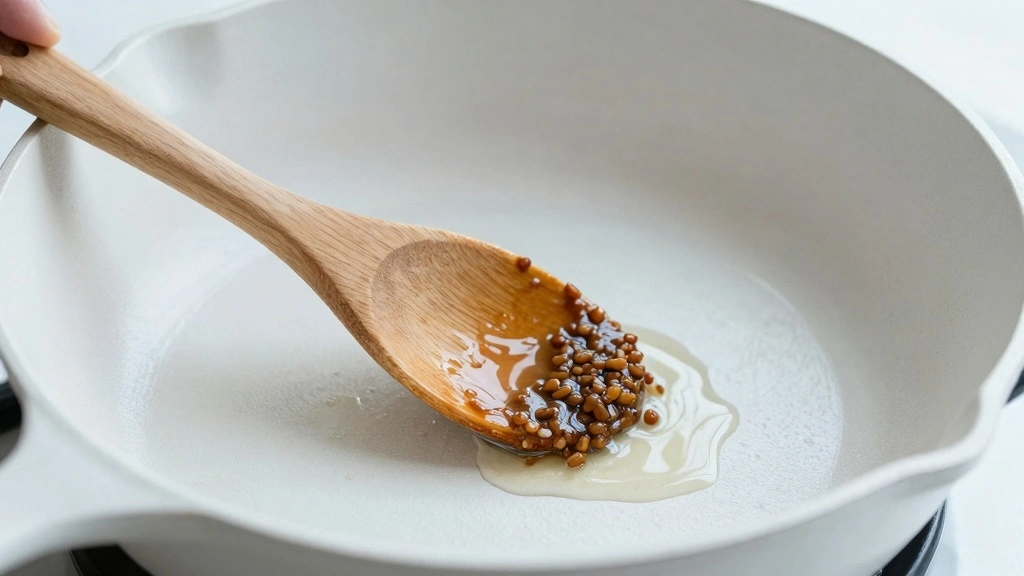
Remove chicken from the skillet and set aside.
Add a splash of water to the hot skillet to deglaze.
Scrape the browned bits from the bottom using a wooden spoon.
This process adds depth to the sauce's flavor.
Step 6: Prepare the Sauce
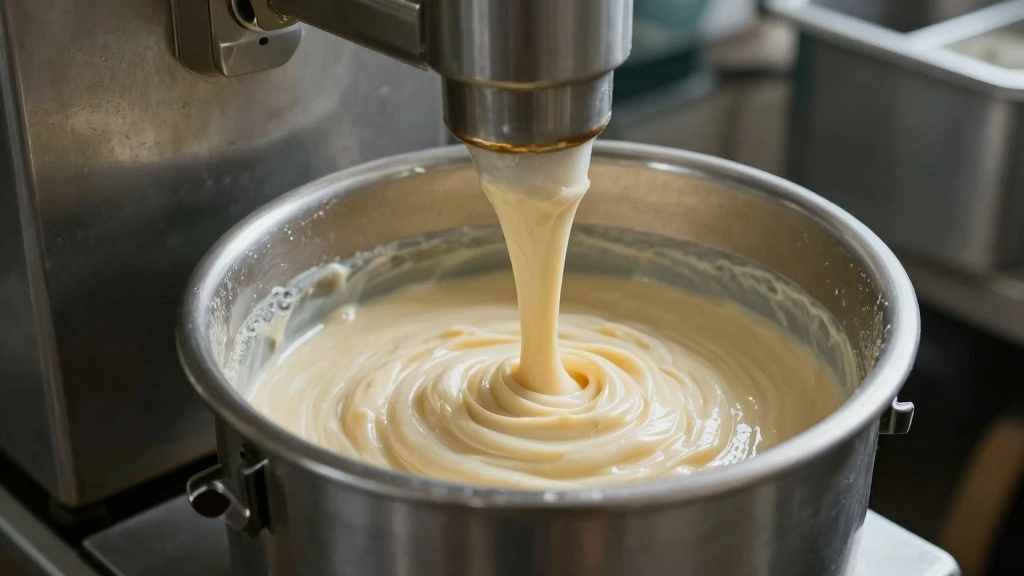
Add the deglazed liquid to a food processor along with remaining marinade.
Blend until smooth and well combined.
Ensure the sauce has a creamy consistency.
This step creates a rich and flavorful sauce to accompany the chicken.
Step 7: Cook the Vegetables
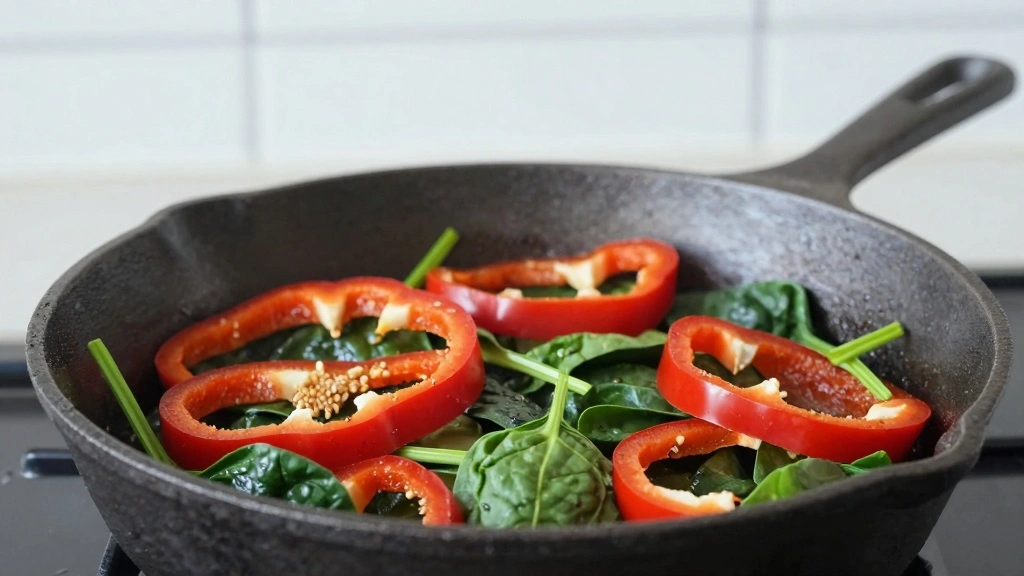
In the same skillet, add sliced bell peppers and sauté for 3 minutes.
Add the spinach and continue sautéing until wilted.
Look for vibrant colors and tender textures.
This step enhances the dish with fresh, crisp vegetables.
Step 8: Combine and Serve
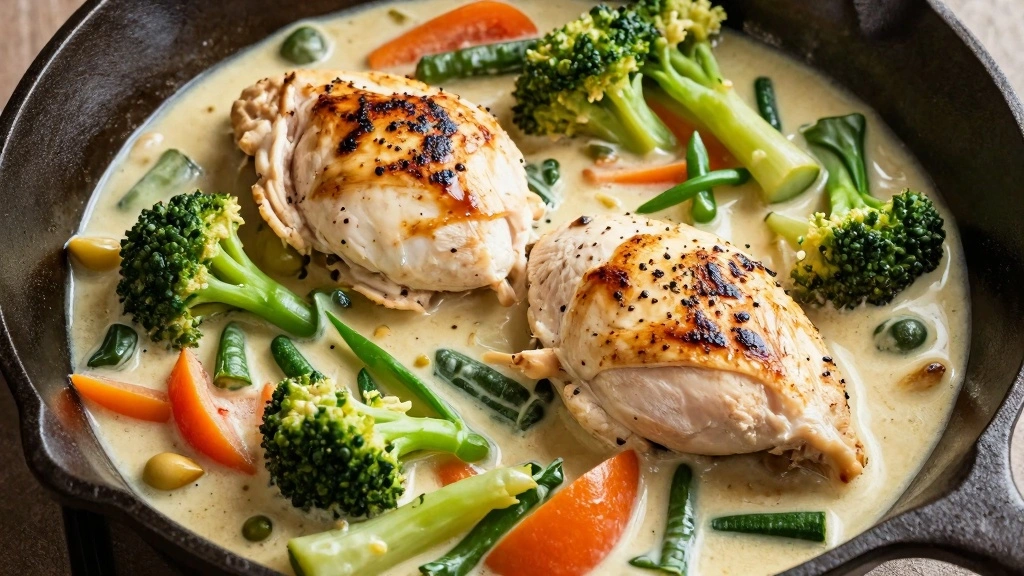
Return the seared chicken to the skillet with the vegetables.
Pour the blended sauce over the chicken.
Simmer until the chicken is cooked through and the sauce thickens.
Serve immediately, garnished with fresh herbs if desired.
Critical Timing and Temperature Guide
Marinating: Allow the chicken to marinate for at least 15 minutes, but no longer than 2 hours. Over-marinating can cause the proteins to break down too much, resulting in mushy texture.
Searing: Sear each side of the chicken for 3-4 minutes at medium-high heat. Look for a golden crust, and avoid flipping too soon to prevent tearing.
Simmering: Cook the combined chicken, sauce, and vegetables for 10-15 minutes at medium-low heat. Ensure the sauce thickens and chicken is cooked to an internal temperature of 165°F.
Pro Tips for Healthy Chicken Dinner
• Ingredient Selection: Choose free-range chicken and fresh, organic vegetables, as they significantly enhance the overall flavor and nutritional value.
• Preparation Secret: Let the chicken rest at room temperature for 10 minutes before cooking to ensure even cooking.
• Temperature Management: Keep the skillet at a consistent medium-high heat for searing to achieve the best crust.
• Texture Enhancement: Pat the chicken dry with paper towels before marinating to ensure a good sear.
• Flavor Layering: Use fresh herbs like parsley or basil as a final garnish to add a burst of freshness.
• Make-Ahead Strategies: Prepare the marinade and vegetables ahead of time. Store them in separate airtight containers in the fridge for up to 24 hours.
• Restaurant-Quality Finishing Touches: Drizzle a high-quality olive oil over the finished dish before serving for a luxurious finish.
• Equipment Optimization: Ensure your skillet is well-seasoned to prevent sticking and improve flavor.
Troubleshooting Common Issues
• Chicken Too Dry: This can happen if the chicken is overcooked. Use an instant-read thermometer to ensure it reaches 165°F internally.
• Sauce Too Thin: If the sauce doesn't thicken, simmer uncovered to reduce it further or add a teaspoon of cornstarch mixed with water.
• Vegetables Overcooked: Sauté vegetables over high heat briefly to retain their color and crunch.
• Flavors Not Balanced: Adjust seasoning with salt, pepper, or a splash more lemon juice to balance flavors to your taste.
• Chicken Sticking to Pan: Ensure the skillet is preheated and use sufficient oil to prevent sticking.
Variations and Regional Differences
• Italian Style: This version uses fresh basil and parmesan cheese in the sauce, giving it a distinctly Italian flair.
• Middle Eastern Variation: Incorporates spices like cumin and coriander, served over a bed of couscous.
• Asian Fusion: Uses soy sauce and ginger in the marinade, served with steamed rice and bok choy.
• Southern Comfort: Adds a touch of honey and mustard to the sauce for a sweet and tangy profile.
Food Science Behind the Recipe
• Maillard Reaction: This browning reaction occurs when the chicken is seared, contributing to the complex flavors and aromas.
• Yogurt Marination: The acids in yogurt help break down proteins in the chicken, tenderizing it while infusing flavor.
• Emulsification: Blending the sauce ingredients creates a stable emulsion, ensuring a creamy and uniform texture.
Frequently Asked Questions
What's the most common mistake people make when preparing Healthy Chicken Dinner? Overcooking the chicken is a frequent issue. Use a thermometer to ensure it's not cooked past 165°F.
Can I use chicken thighs instead of breasts? Yes, chicken thighs can be used for a juicier result but may require longer cooking time.
How can I make this recipe dairy-free? Substitute Greek yogurt with a dairy-free yogurt alternative.
What's the best way to store leftovers? Keep leftovers in an airtight container in the refrigerator for up to 3 days.
Can I freeze the marinated chicken? Yes, freeze the marinated chicken in a sealed bag for up to 2 months. Thaw in the refrigerator before cooking.
Is this dish suitable for meal prep? Absolutely, it's a great option for meal prep as it holds well in the fridge.
What side dishes pair well with this recipe? Consider serving with quinoa, whole grain rice, or a simple green salad.
Serving and Presentation Guide
• Traditional Presentation: Serve the chicken and vegetables on a large platter with sauce lightly drizzled over the top.
• Modern Elegant Style: Plate individually with a portion of chicken over a bed of spinach and bell peppers, garnished with fresh herbs.
• Casual Family Style: Serve directly from the skillet with serving spoons for a relaxed, communal meal.
• Gourmet Plating: Use a ring mold to stack the chicken and vegetables, drizzling the sauce artistically around the plate.
Conclusion
This Healthy Chicken Dinner offers a perfect balance of comfort and nutrition that will satisfy any craving.
With its rich flavors and wholesome ingredients, it’s a dish you'll want to make again and again.
So gather your ingredients and enjoy a meal that brings both joy and nourishment to your table.