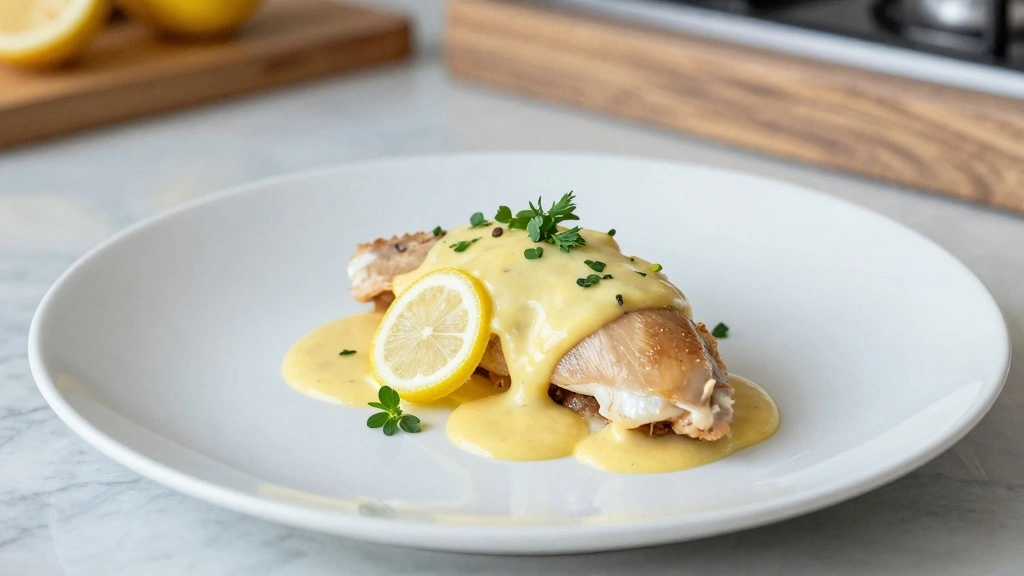
The harmonious balance of citrusy brightness and subtle richness creates a memorable dining experience that will have everyone asking for your secret.
I discovered this recipe during my travels through the Mediterranean, where local chefs have perfected it through generations of careful refinement.
Whether you’re preparing a casual family dinner or hosting a special celebration, this Bright Lemon Sauce delivers impressive results with straightforward preparation.
With its vibrant flavor profile, it complements chicken beautifully, enhancing its natural flavors without overpowering them.
This sauce is perfect for any season, bringing a touch of sunshine to your table.
Prepare to elevate your chicken dishes with this zesty and invigorating sauce!
The History and Cultural Significance
• Bright Lemon Sauce traces its origins to the Mediterranean region, where it was originally created by cooks who sought to enhance poultry dishes with fresh, local ingredients.
• The dish evolved over decades as citrus varieties expanded, eventually becoming the beloved version we know today.
• In Mediterranean cultures, this dish traditionally appears at family gatherings, symbolizing warmth and hospitality.
• While many variations exist across different regions, the authentic version maintains a simple yet vibrant citrus profile that sets it apart from imitations.
Recipe Overview
Nutritional Information (per serving)
Essential Equipment Guide
Saucepan: A medium-sized saucepan is crucial for evenly heating the sauce and achieving the correct consistency. Alternatives like a small pot can work, but ensure it has a heavy bottom to prevent scorching.
Whisk: Using a whisk helps to properly incorporate the ingredients, ensuring a smooth and lump-free sauce. A fork can be used as an alternative, though it may not achieve the same texture.
Microplane Zester: This tool is essential for extracting fine zest from lemons without the bitter pith. If unavailable, a fine grater can suffice, but ensure only the yellow outer layer is removed.
Ingredients
For the Sauce
|
|
| Amount | Ingredient | Notes |
|---|---|---|
| 2 tablespoons | unsalted butter | adds richness |
| 1 tablespoon | olive oil | enhances flavor |
| 3 cloves | garlic | minced, adds depth |
| 1/2 cup | chicken broth | provides a savory base |
| 1/3 cup | fresh lemon juice | main flavor component |
| 2 teaspoons | lemon zest | boosts aroma |
| 1 tablespoon | honey | balances acidity |
| 1 teaspoon | salt | enhances flavor |
| 1/4 teaspoon | black pepper | adds a hint of spice |
Preparation Methods
Infusion: Infusing the garlic in butter and oil creates a base that carries rich flavor throughout the sauce. This technique is crucial for adding depth without overpowering the lemon's brightness. Cook on low heat to avoid burning the garlic and ruining the delicate balance.
Emulsification: Combining oil and lemon juice requires emulsification to create a cohesive sauce. Whisk vigorously while gradually adding the lemon juice to ensure the sauce doesn't separate.
Zesting: Proper zesting captures the lemon's aromatic oils without the bitter pith. Use a light touch and twist the lemon as you zest to avoid digging too deep.
Step 1: Gather Ingredients
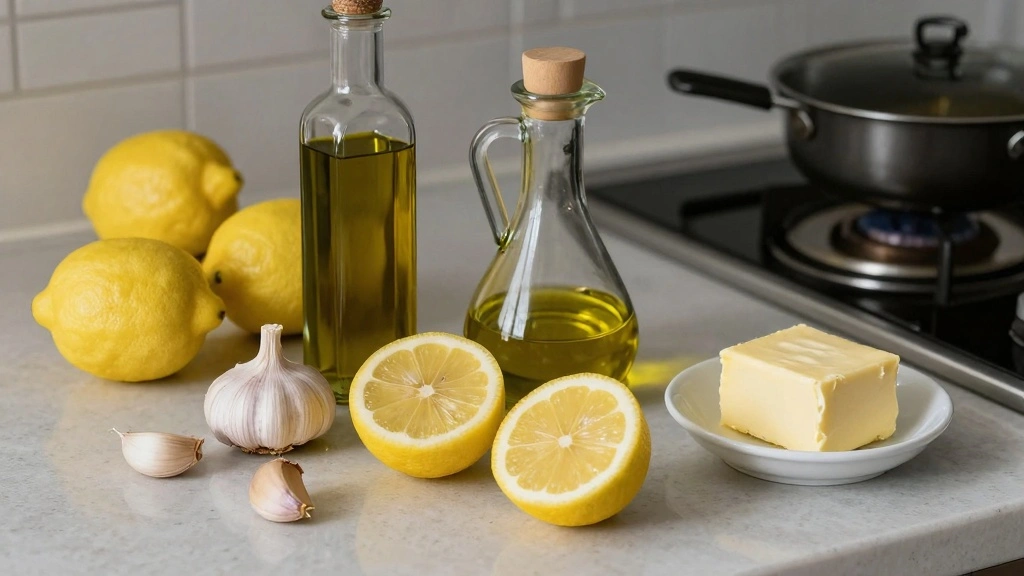
Collect all the necessary ingredients for the sauce.
Ensure the lemons are fresh and vibrant, as their zest and juice are crucial.
Measure out each ingredient to streamline the cooking process.
Having everything ready will make the preparation smoother.
Step 2: Melt Butter and Oil
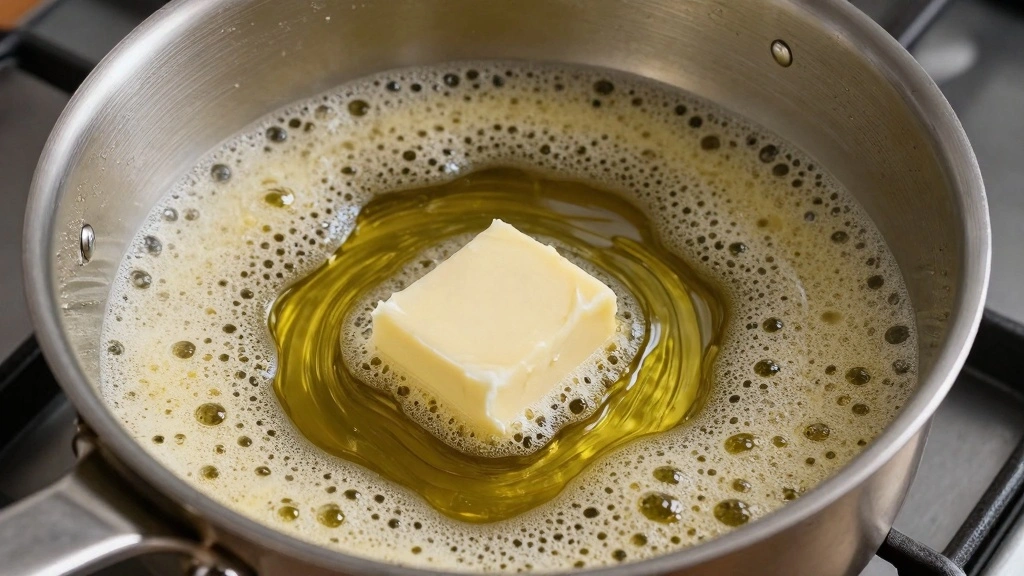
Place a saucepan over medium heat and add the butter and olive oil.
Allow the butter to melt completely and combine with the oil.
Watch for the mixture to become foamy, indicating the right temperature.
Avoid overheating to prevent burning the butter.
Step 3: Sauté Garlic
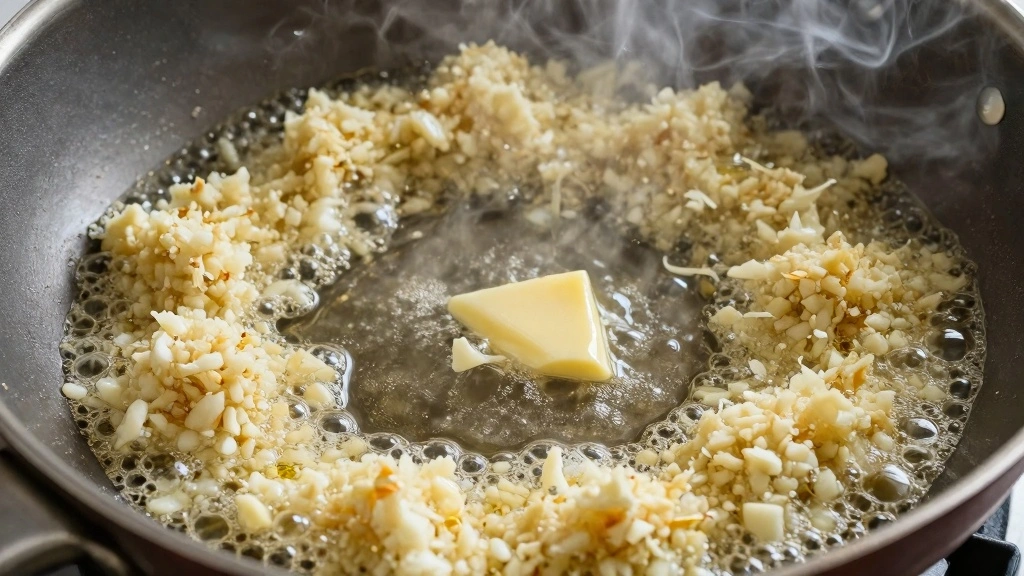
Add minced garlic to the saucepan with melted butter and oil.
Cook gently, stirring frequently to infuse the flavors.
Look for the garlic to become fragrant and slightly golden.
Take care not to let it brown too much, as this will impart bitterness.
Step 4: Add Chicken Broth
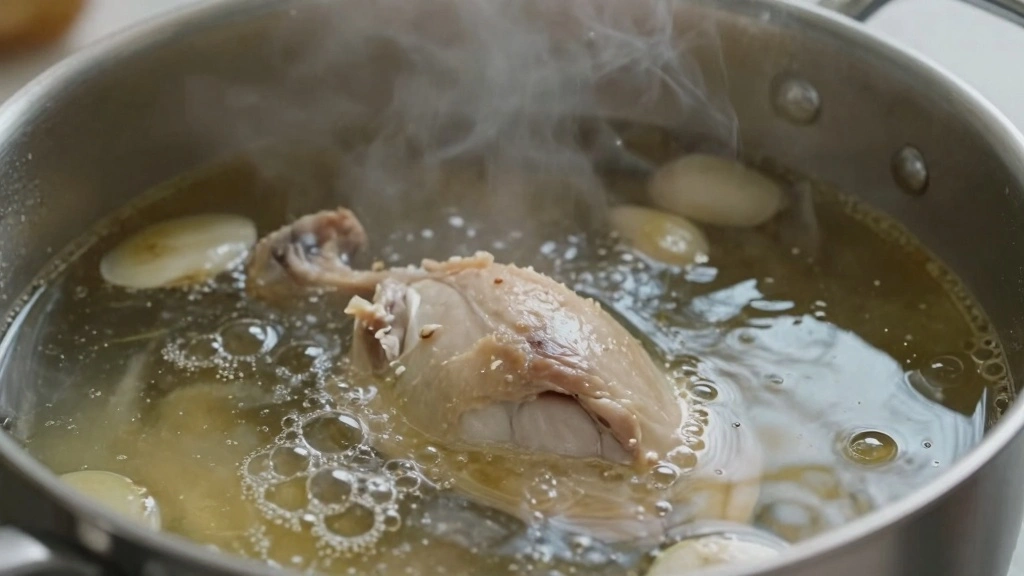
Pour chicken broth into the saucepan with garlic.
Stir to combine and bring the mixture to a gentle simmer.
Observe the broth as it begins to reduce, intensifying the flavors.
Maintain a low simmer to prevent rapid evaporation.
Step 5: Incorporate Lemon Juice
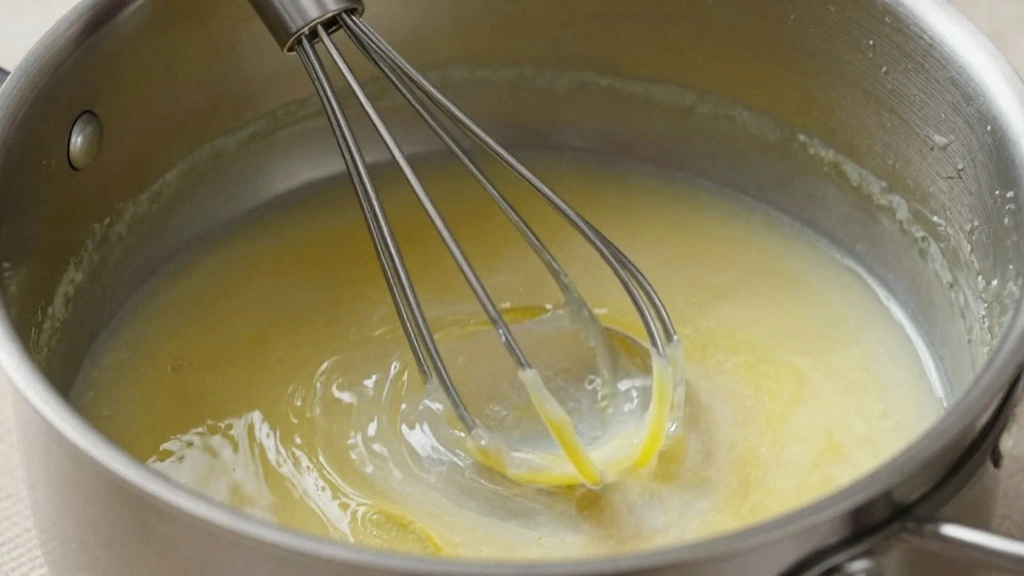
Gradually whisk in the fresh lemon juice to the saucepan.
Continue whisking to create a smooth and cohesive sauce.
Note the bright color change as the lemon juice blends in.
Ensure the mixture doesn't separate by maintaining a steady whisking motion.
Step 6: Add Zest and Seasonings
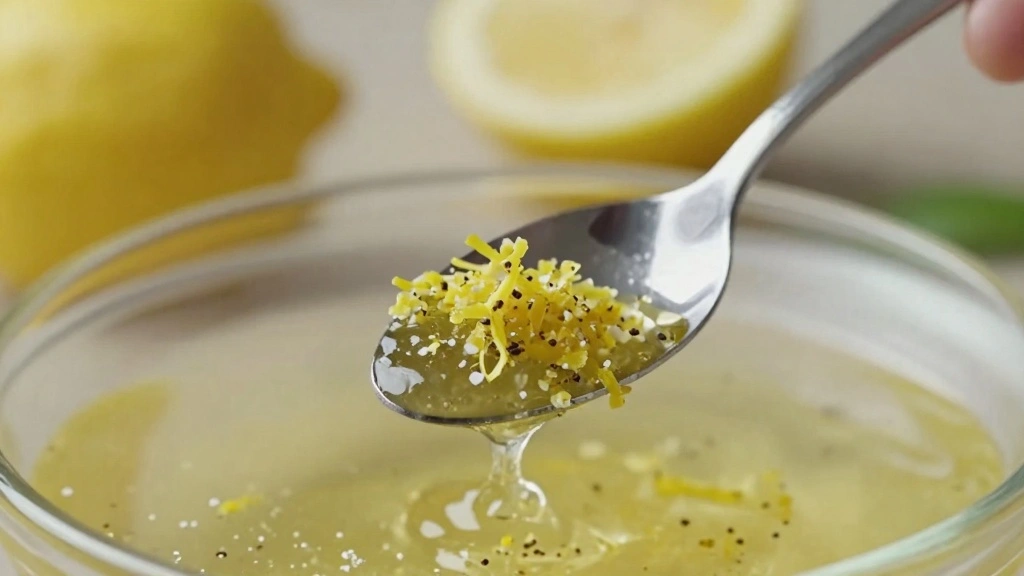
Stir in lemon zest, honey, salt, and black pepper.
Mix thoroughly to distribute the seasonings evenly.
Taste and adjust seasonings as needed for balance.
The addition of zest should enhance the sauce's aroma and flavor complexity.
Step 7: Simmer and Thicken
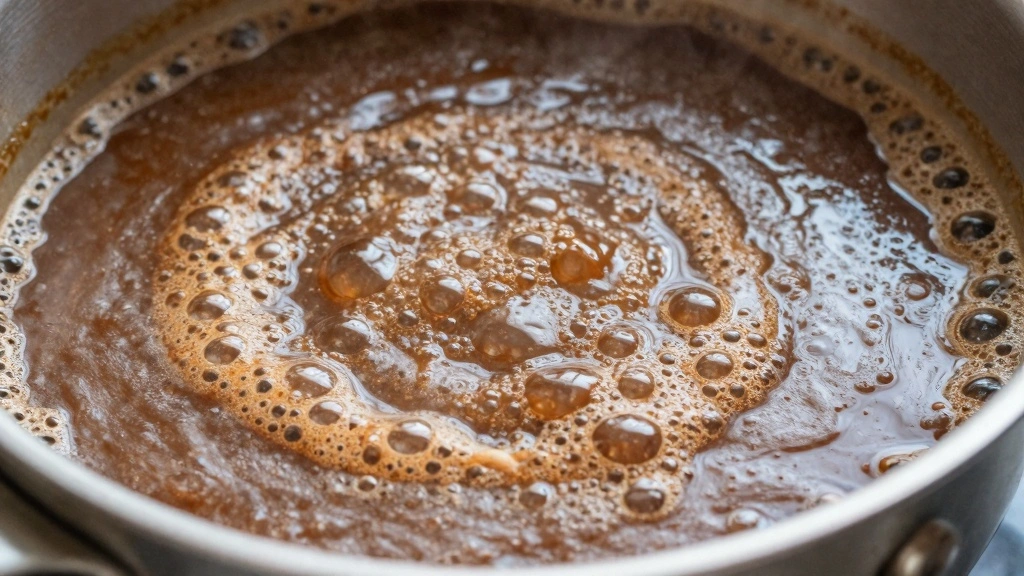
Allow the sauce to simmer gently, reducing slightly.
Watch as it thickens to your desired consistency.
The sauce should coat the back of a spoon when ready.
Adjust heat to maintain a steady simmer without boiling.
Step 8: Serve Over Chicken
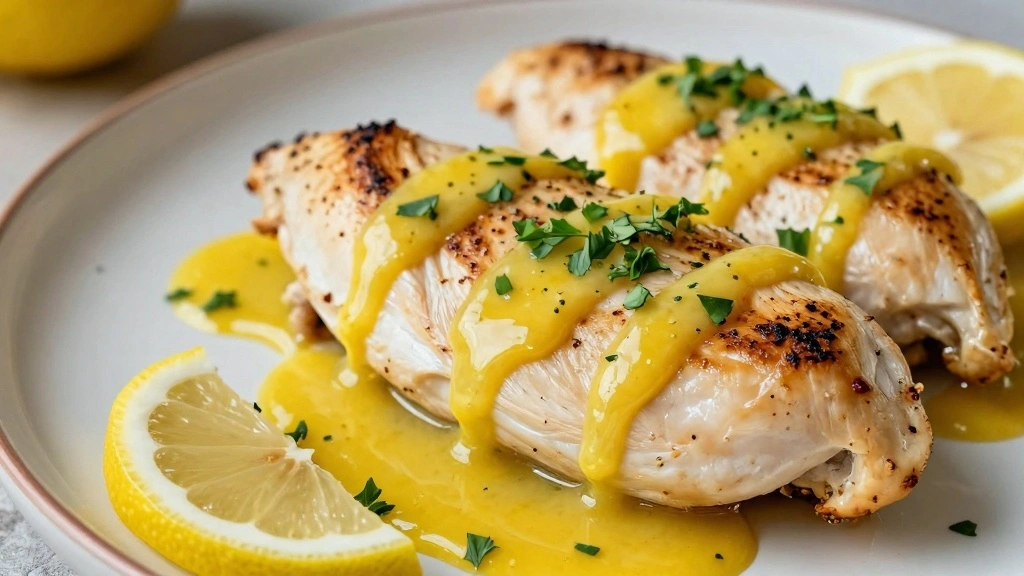
Prepare cooked chicken breasts on a serving platter.
Generously spoon the bright lemon sauce over the chicken.
Garnish with fresh herbs for added color and flavor.
Serve immediately to enjoy the full zest and aroma.
Critical Timing and Temperature Guide
Sautéing Garlic: Cook garlic for 1-2 minutes over medium-low heat until fragrant. Avoid high heat to prevent burning, which leads to bitterness.
Simmering Sauce: Maintain a gentle simmer for 5-7 minutes to allow flavors to meld. Watch for a slight thickening and avoid boiling to preserve the sauce's balance.
Final Consistency: The sauce should coat the back of a spoon, indicating proper reduction. If too thin, simmer longer; if too thick, adjust with a splash of broth.
Pro Tips for Bright Lemon Sauce
• Ingredient Selection: Choose fresh, unwaxed lemons for the brightest flavor and easiest zesting.
• Preparation Secret: Bloom the garlic in butter and oil to maximize flavor extraction without burning.
• Temperature Management: Keep the heat low when adding lemon juice to prevent the sauce from separating.
• Texture Enhancement: Simmering the sauce allows it to thicken naturally, achieving a luxurious texture.
• Flavor Layering: Adding zest and juice at different stages creates a more complex lemon profile.
• Make-Ahead Strategies: Prepare the sauce in advance and store in the fridge for up to two days; reheat gently before serving.
• Restaurant-Quality Finishing Touches: Garnish with fresh parsley or basil for a professional touch.
• Equipment Optimization: Use a whisk for emulsifying, ensuring a smooth sauce even without specialized equipment.
Troubleshooting Common Issues
• Sauce Separation: Ensure continuous whisking when adding lemon juice and maintain a gentle heat to prevent splitting.
• Overly Bitter Flavor: If the sauce tastes bitter, it's likely from over-zesting; use only the yellow part of the lemon peel.
• Thin Sauce: If the sauce is too thin, continue simmering to reduce it further, or add a small amount of cornstarch slurry to thicken.
• Too Sour: Balance excessive sourness by adding a touch more honey or a pinch of sugar.
• Lack of Flavor: Enhance flavors by adjusting salt and pepper or adding extra zest for a more pronounced lemon taste.
Variations and Regional Differences
• Italian Style: Incorporates capers and a splash of white wine for a Mediterranean twist, adding depth and complexity.
• Greek Variation: Uses oregano and a touch of dill, reflecting classic Greek flavor profiles.
• North African Influence: Adds preserved lemons and a dash of cumin for a more robust, earthy flavor.
• French Version: Known as Sauce Beurre Blanc, it emphasizes butter and shallots for a richer, creamier finish.
Food Science Behind the Recipe
• Emulsification: The combination of oil and lemon juice forms an emulsion, creating a smooth and creamy texture that is essential for the sauce's consistency.
• Flavor Extraction: Sautéing garlic in fat releases its aromatic compounds, enhancing the sauce's overall flavor profile.
• Acid Balance: Lemon juice's acidity not only flavors the sauce but also acts as a natural tenderizer, enhancing the chicken's tenderness.
Frequently Asked Questions
What's the most common mistake people make when preparing Bright Lemon Sauce? Not whisking enough when combining oil and lemon juice, leading to separation.
Can I use bottled lemon juice? Fresh lemon juice is recommended for its superior flavor and acidity balance.
How can I store leftover sauce? Refrigerate in an airtight container for up to two days; gently reheat before serving.
Is it possible to make this sauce vegan? Substitute butter with a plant-based alternative and use vegetable broth instead of chicken broth.
Why is my sauce too thin? It may not have been reduced enough; continue simmering to reach the desired thickness.
What can I do if the sauce is too sour? Add a bit more honey or sugar to balance the acidity.
How can I make the sauce spicier? Incorporate a pinch of red pepper flakes or a dash of hot sauce for extra heat.
Serving and Presentation Guide
• Traditional Presentation: Drizzle the sauce over grilled or roasted chicken, garnished with a sprig of fresh parsley.
• Modern Twist: Serve with a side of roasted vegetables and a sprinkle of toasted almonds for texture contrast.
• Family Style: Pour the sauce into a small pitcher and place on the table, allowing guests to serve themselves.
• Elegant Plating: Use a spoon to create decorative swirls of sauce on the plate before placing the chicken on top.
Conclusion
With its bright, citrusy profile, this lemon sauce will elevate any chicken dish to new heights of flavor.
Its simplicity and versatility make it a must-try for home cooks seeking to impress.
I encourage you to experiment and adapt the recipe to your taste preferences, creating your own signature version.
Enjoy the refreshing zing and delightful aroma of this culinary classic!