
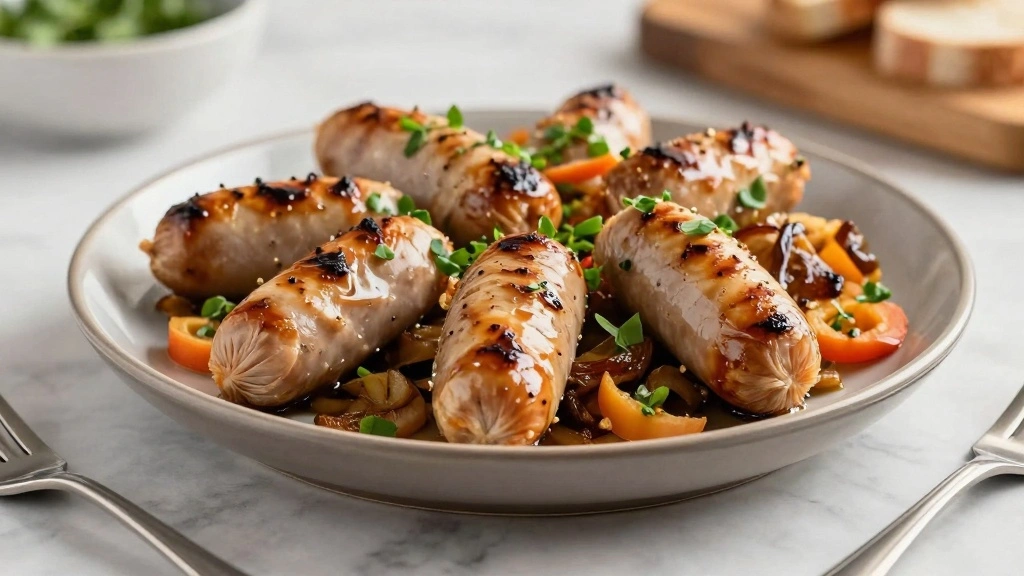
This Chicken Sausage Sheet Pan Meal is a delightful all-in-one dish that marries convenience with taste.
With the vibrant flavors of roasted vegetables and savory chicken sausage, it promises a wholesome and satisfying dining experience.
I was inspired to create this dish after a busy week when I craved something both nourishing and easy to prepare.
Ideal for weeknight dinners, this recipe allows for seamless preparation and minimal cleanup.
The burst of colors and flavors will make it a favorite at your dinner table.
Whether you’re a busy professional or a culinary enthusiast, this Chicken Sausage Sheet Pan Meal is sure to impress.
The History and Cultural Significance
• Chicken Sausage Sheet traces its origins to the early 2000s in America, where it was created as a quick and healthy meal option.
• The dish evolved over decades as more people sought convenient, one-pan meals that incorporated fresh ingredients, eventually becoming the beloved version we know today.
• In American culture, this dish traditionally appears at family dinners, symbolizing simplicity and nourishment.
• While many variations exist across different regions, the authentic version maintains the balance of protein and vegetables that sets it apart from imitations.
Recipe Overview
Nutritional Information (per serving)
Essential Equipment Guide
Sheet Pan: A sturdy, large sheet pan is crucial for ensuring even cooking of all ingredients. Non-stick or aluminum pans work well, but make sure they are large enough to allow air circulation.
Sharp Knife: Essential for chopping vegetables efficiently and safely. A chef’s knife is ideal, but a good-quality paring knife can also suffice for smaller tasks.
Tongs: Useful for turning sausages and mixing vegetables without causing damage. Look for tongs with silicone tips for better grip and control.
Ingredients
For the Base
|
|
| Amount | Ingredient | Notes |
|---|---|---|
| 4 links | chicken sausage | sliced into 1-inch pieces |
| 2 tablespoons | olive oil | for drizzling |
Vegetables
| Amount | Ingredient | Notes |
|---|---|---|
| 1 large | red bell pepper | sliced into strips |
| 1 medium | zucchini | cut into half-moons |
| 2 cups | baby potatoes | halved |
Seasonings
| Amount | Ingredient | Notes |
|---|---|---|
| 1 teaspoon | salt | enhances flavor |
| 1 teaspoon | black pepper | adds heat |
| 1 teaspoon | Italian seasoning | for herbal notes |
| 2 cloves | garlic | minced for aroma |
Preparation Methods
Slicing Technique: Proper slicing ensures even cooking. For sausages, cut them into uniform pieces to ensure they cook at the same rate as the vegetables. For vegetables, aim for consistent sizes.
Seasoning Evenly: Toss the vegetables and sausage with olive oil and seasonings in a large bowl to ensure every piece is coated, enhancing flavor.
Sheet Pan Arrangement: Space out ingredients on the sheet pan to prevent steaming. Ensure there is a single layer without overcrowding to achieve caramelization.
Step 1: Prepare Ingredients
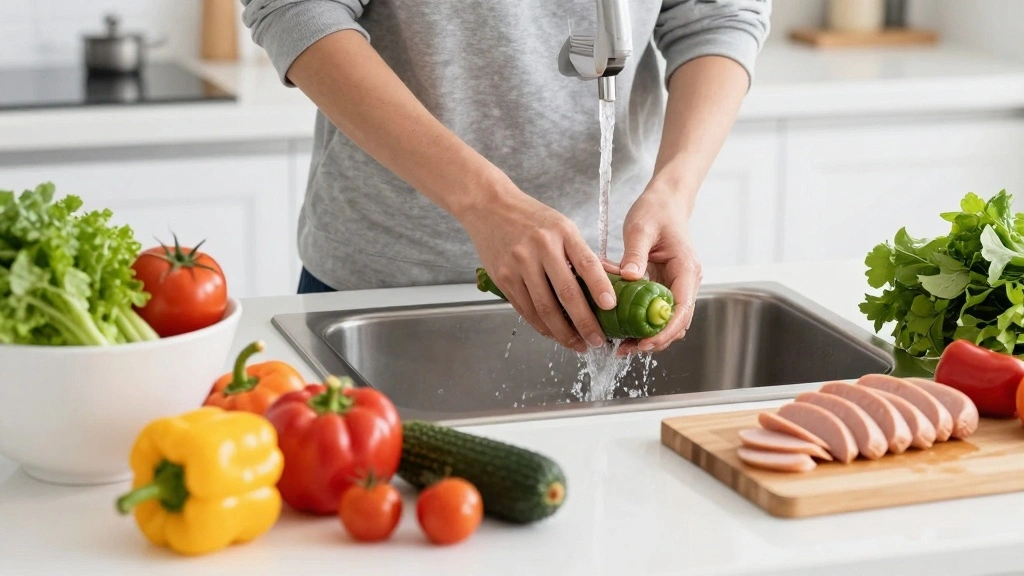
Gather all your ingredients and equipment.
Wash and dry the vegetables thoroughly.
Slice the chicken sausage into 1-inch pieces.
Cut the red bell pepper into strips and the zucchini into half-moons.
Step 2: Preheat Oven
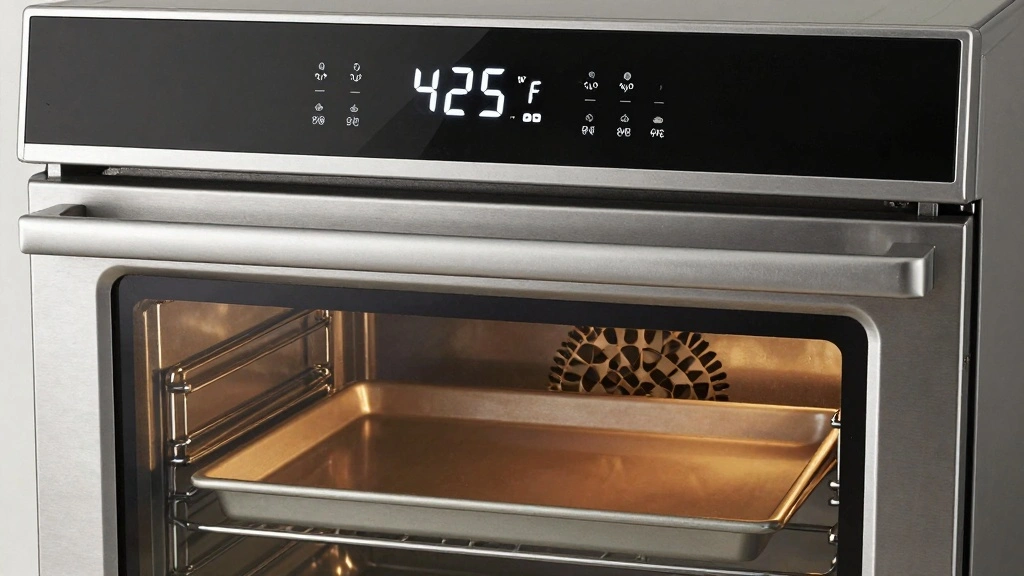
Preheat your oven to 425°F (220°C).
Ensure the oven rack is placed in the center position.
This temperature ensures a perfect balance between cooking the sausages and roasting the vegetables.
Allow the oven to fully heat before proceeding to the next step.
Step 3: Season the Ingredients
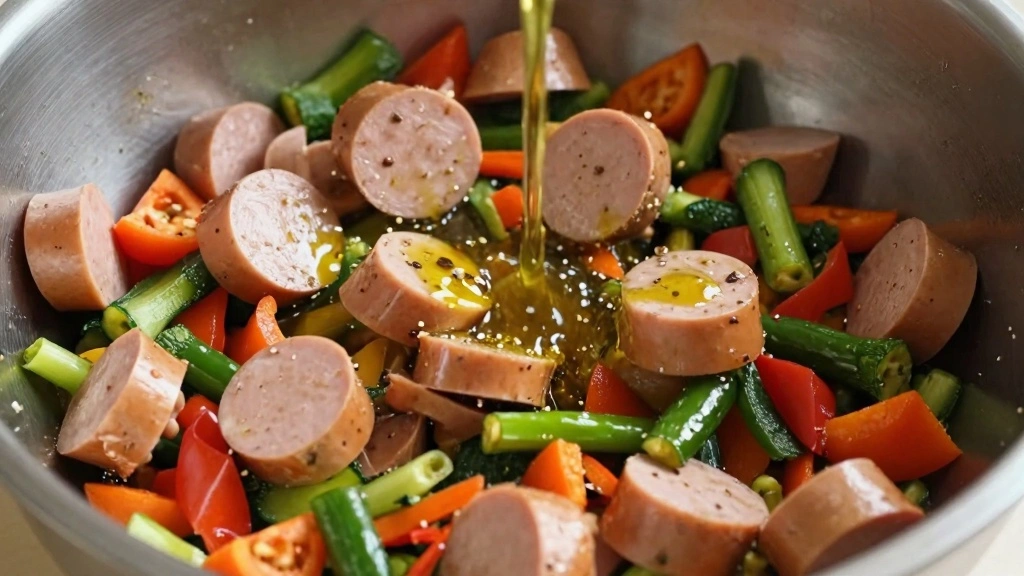
In a large mixing bowl, combine the sliced sausage and vegetables.
Drizzle with olive oil and toss gently to coat everything evenly.
Add salt, black pepper, Italian seasoning, and minced garlic.
Mix until all pieces are evenly coated with the seasoning.
Step 4: Arrange on Sheet Pan
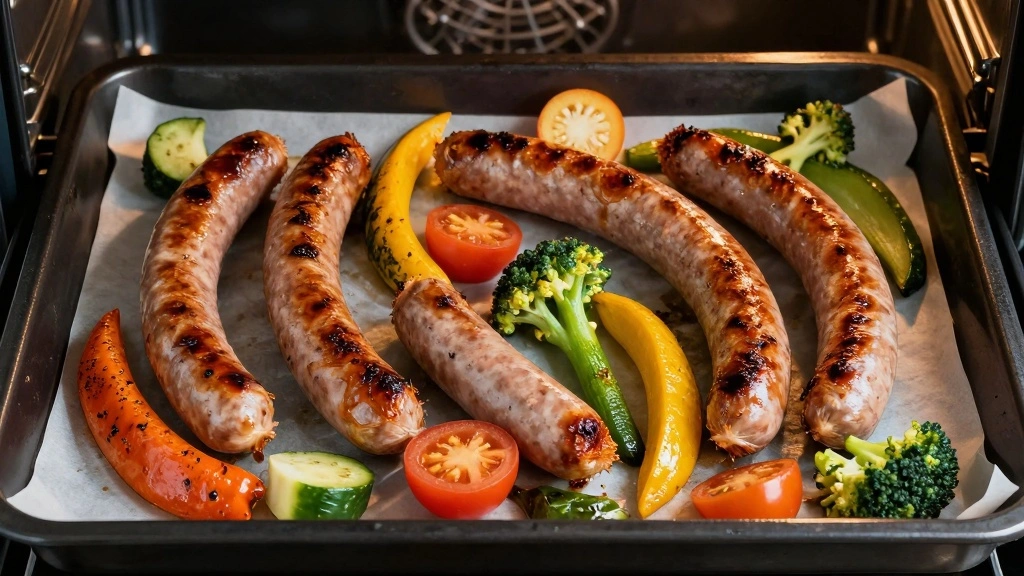
Spread the seasoned ingredients evenly on the sheet pan.
Ensure they are in a single layer to promote even cooking.
Leave some space between each piece to allow airflow.
Overcrowding the pan will result in steaming rather than roasting.
Step 5: Roast in Oven
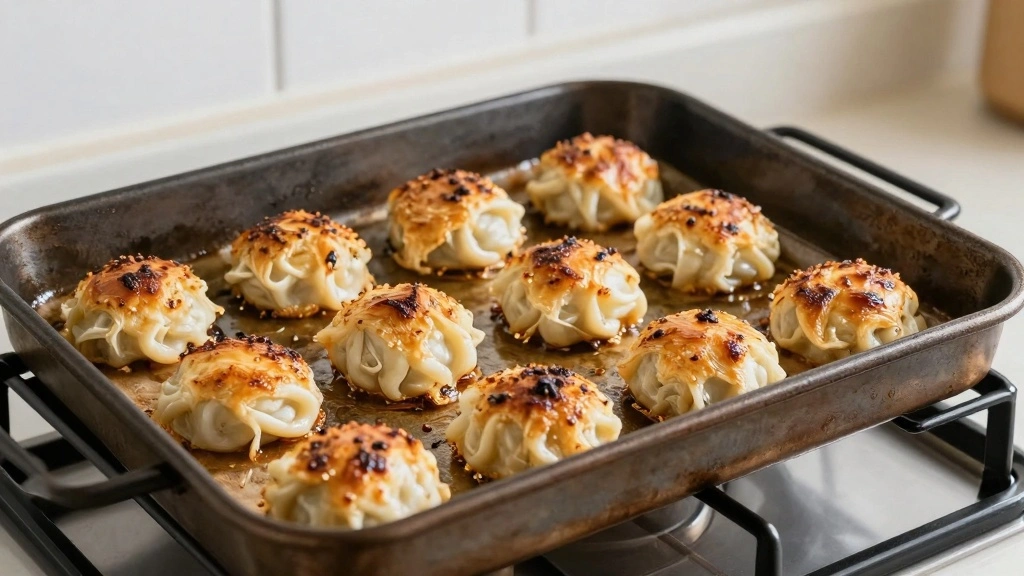
Place the sheet pan in the preheated oven on the center rack.
Roast for 15 minutes, then check the vegetables and sausage.
Use tongs to flip the pieces for even browning.
Continue roasting for another 15 minutes until everything is cooked through and golden.
Step 6: Check for Doneness
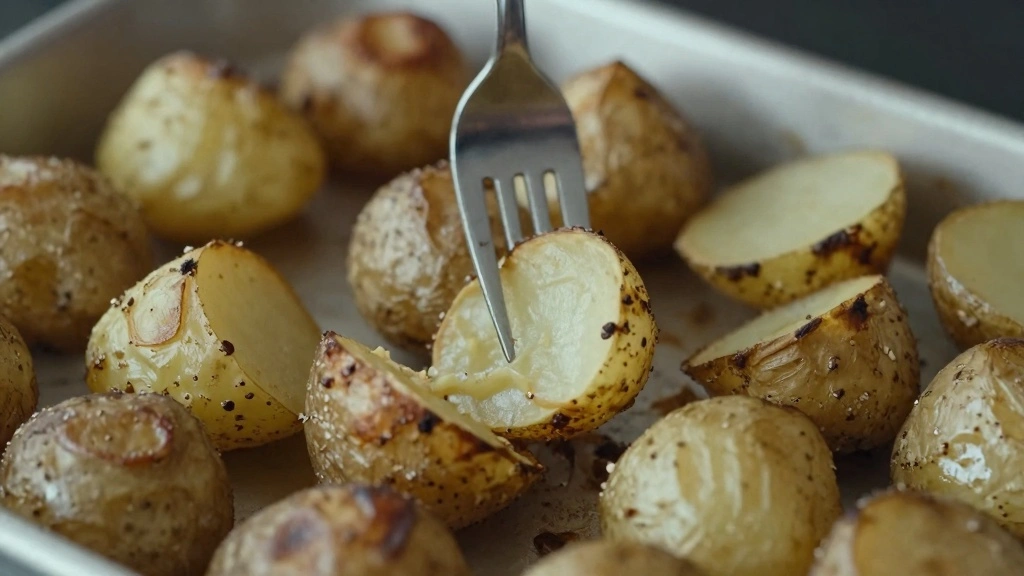
Remove the sheet pan from the oven after 30 minutes.
Check the potatoes for tenderness with a fork.
Ensure the sausage is browned and cooked through.
If needed, return to the oven for an additional 5 minutes.
Step 7: Serve Hot
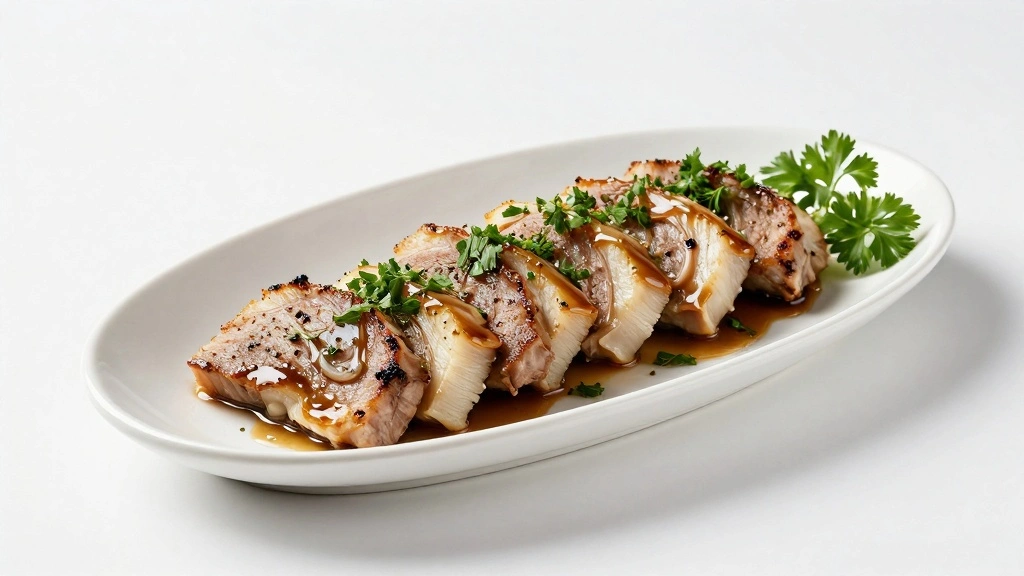
Transfer the roasted ingredients to a serving platter or individual plates.
Garnish with fresh herbs if desired for added freshness.
Serve immediately while hot to enjoy the best flavors.
Pair with a simple green salad or crusty bread.
Step 8: Store Leftovers
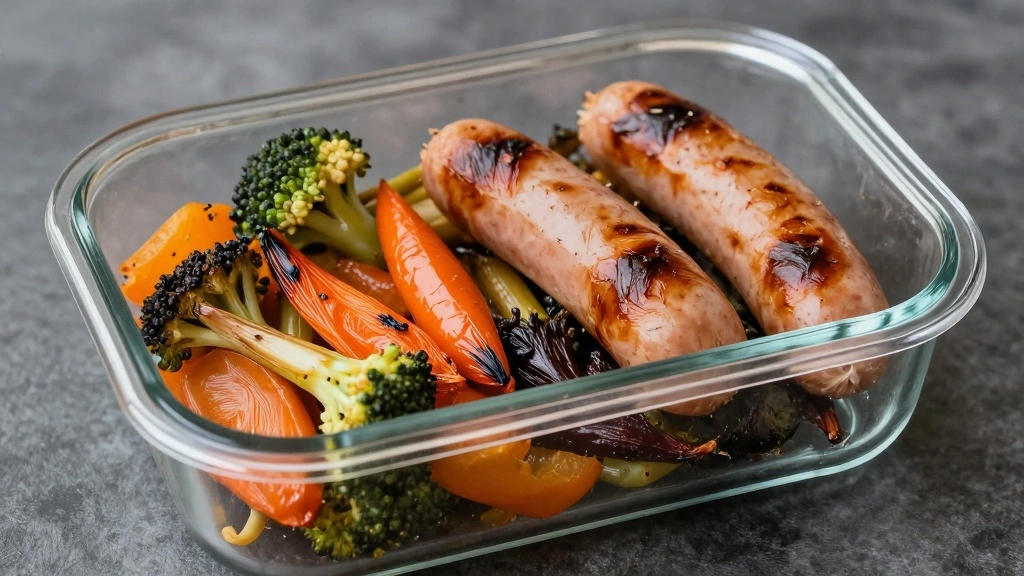
Allow any leftovers to cool completely before storing.
Transfer to an airtight container to maintain freshness.
Store in the refrigerator for up to 3 days.
Reheat gently in the oven or microwave before serving again.
Critical Timing and Temperature Guide
Roasting: Roast at 425°F for 30 minutes, flipping halfway through. Look for golden-brown edges and tender vegetables. Avoid opening the oven too frequently, as it can lower the temperature.
Preheating: Ensure the oven is fully preheated before placing the sheet pan inside. This ensures even cooking and proper caramelization.
Final Check: After 30 minutes, verify the tenderness of potatoes and color of sausage. Undercooked potatoes need additional time, while overcooked sausage can dry out.
Pro Tips for Chicken Sausage Sheet
• Ingredient Selection: Choose high-quality chicken sausage with natural casings for the best flavor and texture. Opt for organic or local produce when possible.
• Preparation Secret: Pre-seasoning the vegetables and sausage in advance allows flavors to meld, enhancing the final taste.
• Temperature Management: Let the ingredients come to room temperature before roasting for even cooking.
• Texture Enhancement: Ensure vegetables are dry before seasoning to achieve the perfect roast without steaming.
• Flavor Layering: Add a squeeze of lemon juice over the finished dish for a bright, refreshing contrast.
• Make-Ahead Strategies: Prep and season the ingredients the night before, storing in the refrigerator, to save time the next day.
• Restaurant-Quality Finishing Touches: Sprinkle with freshly grated Parmesan cheese before serving for a touch of umami.
• Equipment Optimization: Use parchment paper on the sheet pan for easier cleanup and to prevent sticking.
Troubleshooting Common Issues
• Vegetables Too Soft: Overcrowding can cause steaming instead of roasting. Use a larger pan or roast in batches.
• Sausage Undercooked: Ensure sausage pieces are cut evenly and check oven temperature with a thermometer.
• Flavors Unbalanced: Adjust seasoning before roasting, tasting a small piece if necessary, to achieve the right balance.
• Ingredients Sticking: Use parchment paper or a silicone mat to prevent sticking and ensure easy cleanup.
• Uneven Browning: Rotate the pan halfway through cooking to ensure even heat distribution across all ingredients.
• Dry Sausage: Overcooking can dry out sausage. Check for doneness earlier and remove if fully cooked.
Variations and Regional Differences
• Mediterranean Style: Incorporate olives, cherry tomatoes, and feta cheese for a Mediterranean twist, highlighting regional flavors.
• Asian-Inspired: Use soy sauce, ginger, and sesame oil for seasoning, and add bok choy for an Asian flair.
• Southwestern Variation: Add corn, black beans, and chili powder to the mix for a bold, southwestern flavor profile.
• Italian Classic: Include artichoke hearts and sun-dried tomatoes, and finish with basil for an Italian-inspired dish.
Food Science Behind the Recipe
• Maillard Reaction: This chemical reaction between amino acids and sugars gives roasted vegetables and sausage their distinctive golden-brown color and complex flavor.
• Heat Distribution: Even spacing on the sheet pan ensures heat circulates properly, preventing steaming and promoting caramelization.
• Oil's Role: Olive oil helps conduct heat, ensuring even cooking and aiding in the browning process while enhancing flavor.
Frequently Asked Questions
What's the most common mistake people make when preparing Chicken Sausage Sheet Pan Meal? Overcrowding the pan, which leads to steaming instead of roasting.
Can I use other types of sausage? Absolutely, pork or turkey sausages can be used, but adjust cooking times accordingly.
Is it possible to make this dish vegetarian? Yes, simply replace the sausage with plant-based alternatives or extra vegetables.
How can I prevent the vegetables from becoming mushy? Ensure they're cut to similar sizes and spread out on the pan to allow proper air circulation.
What's the best way to reheat leftovers? Reheat in the oven at 350°F until warmed through to maintain texture.
Can I add cheese to the dish? Yes, add shredded cheese in the last few minutes of roasting for a melted topping.
How do I know when the dish is done? Check that the sausage is browned and the vegetables are tender with a fork.
Serving and Presentation Guide
• Traditional Presentation: Serve directly from the sheet pan for a rustic, communal dining experience.
• Individual Plates: Arrange a portion of each ingredient neatly on plates, garnished with fresh herbs.
• Family Style: Transfer to a large serving platter, allowing guests to serve themselves, encouraging interaction.
• Buffet Setup: Place alongside complimentary dishes, allowing diners to create their own balanced plates.
Conclusion
This Chicken Sausage Sheet Pan Meal is a testament to the beauty of simplicity in the kitchen.
With minimal effort and maximum flavor, it’s a dish that will quickly become a staple in your meal rotation.
Give this recipe a try, and experience the joy of a delicious, easy-to-clean-up meal that will delight your taste buds.