
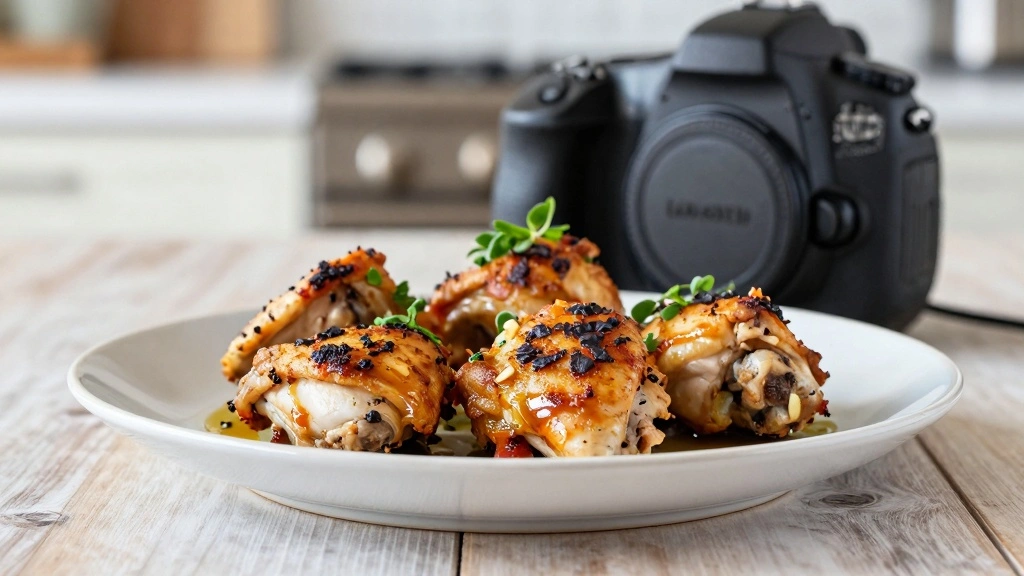
This classic Oven Baked Chicken Thighs recipe brings together centuries of culinary tradition with modern techniques to create a dish that’s both comforting and elegant.
The harmonious balance of herbs and spices creates a memorable dining experience that will have everyone asking for your secret.
I discovered this recipe during my travels through Southern Europe, where local chefs have perfected it through generations of careful refinement.
Whether you’re preparing a casual family dinner or hosting a special celebration, these chicken thighs deliver impressive results with straightforward preparation.
The History and Cultural Significance
• Oven Baked Chicken traces its origins to medieval Europe, where it was originally created by home cooks using simple, locally sourced ingredients.
• The dish evolved over decades as spices from the East became more accessible, eventually becoming the beloved version we know today.
• In many European cultures, this dish traditionally appears at Sunday family gatherings, symbolizing togetherness and comfort.
• While many variations exist across different regions, the authentic version maintains a succulent texture and rich flavor that sets it apart from imitations.
Recipe Overview
Nutritional Information (per serving)
Essential Equipment Guide
Baking Sheet: A sturdy baking sheet is crucial for even heat distribution, ensuring your chicken cooks evenly and crisps perfectly. Alternatives include a roasting pan or oven-safe skillet, but ensure they are made from a material that conducts heat well.
Wire Rack: Elevating the chicken on a wire rack allows hot air to circulate all around, resulting in a crispy skin. If unavailable, you can use crumpled aluminum foil as a makeshift rack.
Meat Thermometer: This tool is essential for checking the internal temperature of the chicken to ensure it’s cooked through without drying out. Look for a digital thermometer with a quick response time for the best results.
Ingredients
For the Chicken
|
|
| Amount | Ingredient | Notes |
|---|---|---|
| 4 pieces | chicken thighs | bone-in, skin-on for maximum flavor |
| 1 tablespoon | olive oil | adds richness and helps crisp the skin |
Seasonings
| Amount | Ingredient | Notes |
|---|---|---|
| 1 teaspoon | salt | enhances flavor |
| 1 teaspoon | black pepper | adds a subtle heat |
| 2 teaspoons | paprika | for a smoky flavor |
| 1 teaspoon | garlic powder | adds depth |
| 1 teaspoon | onion powder | for subtle sweetness |
Herbs
| Amount | Ingredient | Notes |
|---|---|---|
| 1 teaspoon | dried thyme | for earthy notes |
| 1 teaspoon | dried rosemary | adds a pine-like fragrance |
Preparation Methods
Dry Brining: This technique involves rubbing the chicken with salt and letting it rest uncovered in the fridge. It helps the meat retain moisture while enhancing flavor, crucial for achieving juicy, flavorful thighs. Pat the chicken dry before seasoning to ensure crispy skin.
Spice Rubbing: Thoroughly coating the chicken with spices before baking infuses the meat with flavor. Be sure to get the spice rub under the skin for maximum taste. Use your fingers to gently separate the skin from the meat without tearing.
Baking on a Rack: Elevating the chicken on a wire rack while baking allows hot air circulation, ensuring even cooking and a crispy skin. If using a makeshift rack, make sure it supports the chicken well without collapsing.
Step 1: Prepare Ingredients
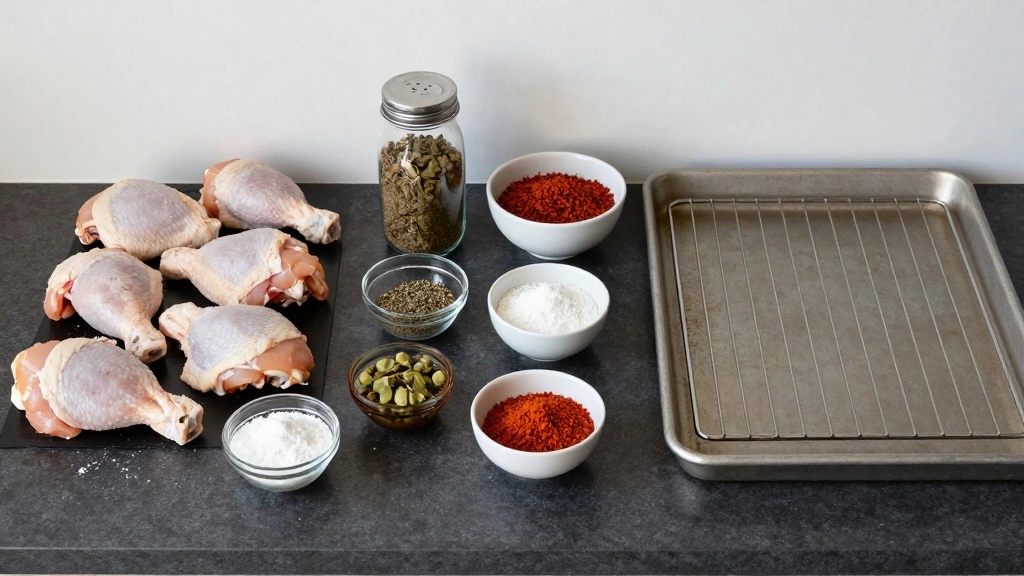
Gather all ingredients and equipment needed.
Ensure chicken thighs are thawed and at room temperature.
Measure out all spices and herbs into a small bowl.
Prepare the baking sheet with a wire rack on top.
Step 2: Dry Brine Chicken
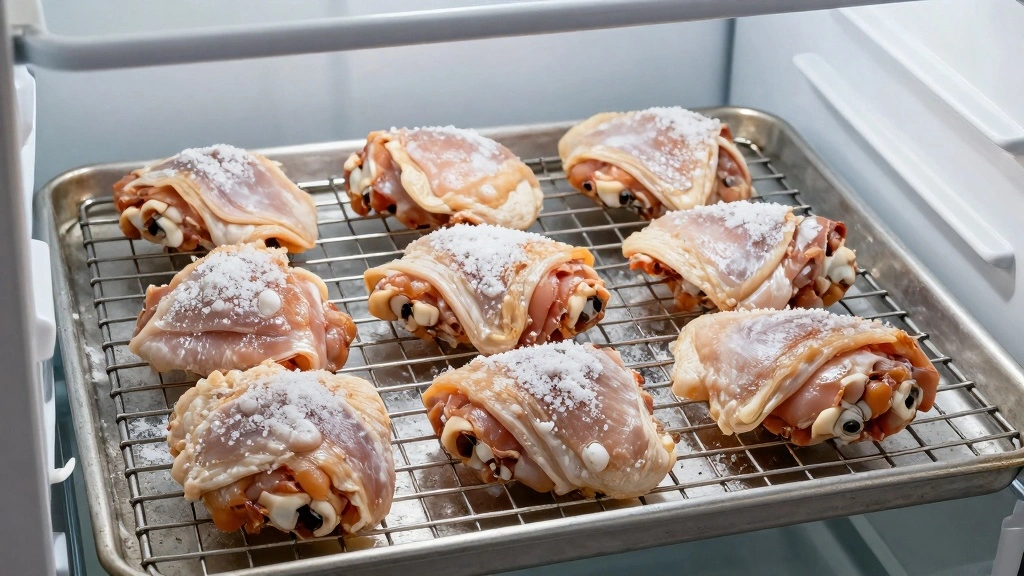
Rub a teaspoon of salt all over the chicken thighs.
Place the chicken on a wire rack over a baking sheet.
Let the chicken sit uncovered in the refrigerator for at least 30 minutes.
This step enhances flavor and juiciness.
Step 3: Preheat Oven
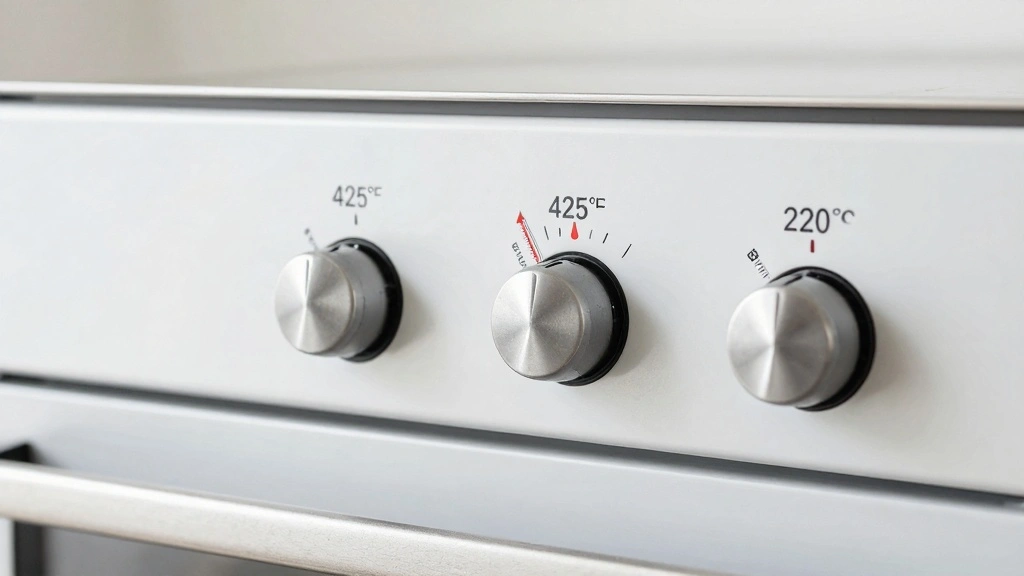
Preheat your oven to 425°F (220°C).
Ensure the oven rack is in the middle position.
This temperature ensures a crispy skin while cooking the meat through.
Double-check the oven temperature with a thermometer if needed.
Step 4: Apply Spice Rub
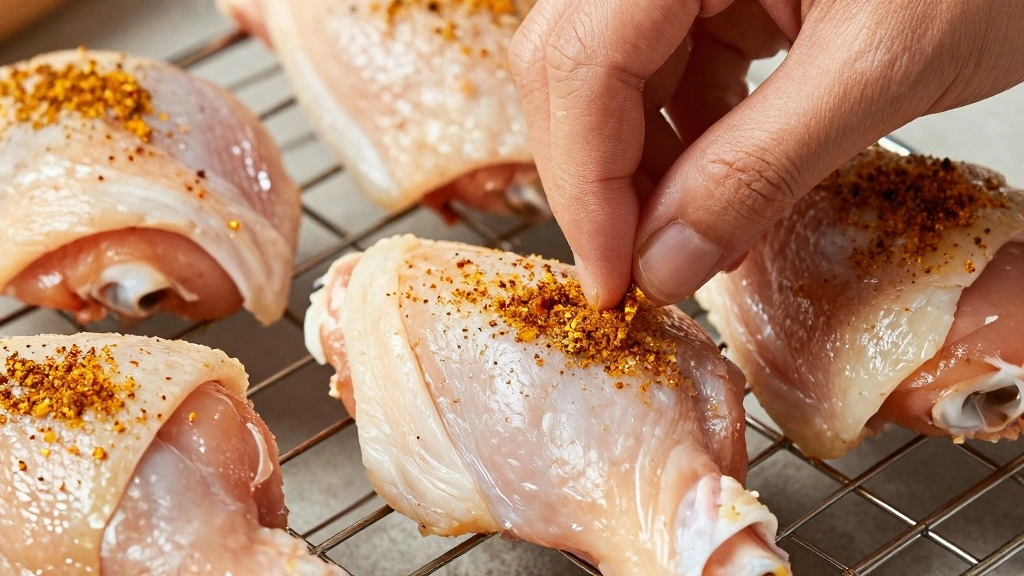
Remove chicken from the refrigerator and pat dry with paper towels.
Combine all spices and herbs in a small bowl.
Rub the mixture evenly over and under the skin of each thigh.
Ensure complete coverage for the best flavor.
Step 5: Arrange Chicken for Baking
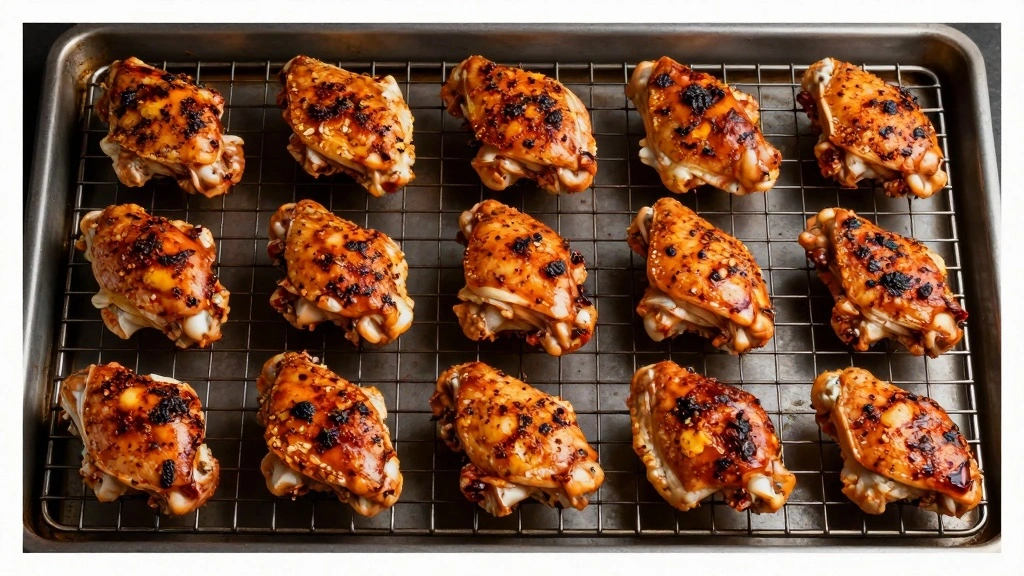
Place the spice-rubbed chicken thighs back on the wire rack.
Ensure they are spaced evenly and not touching each other.
This positioning allows for even air circulation.
Check that the baking sheet is ready for the oven.
Step 6: Bake the Chicken
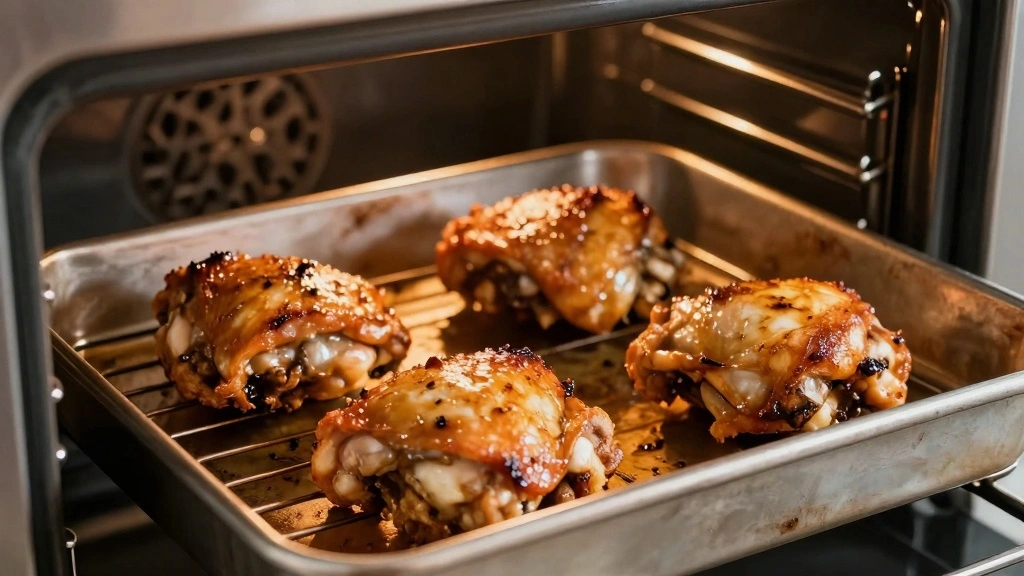
Place the baking sheet with chicken in the preheated oven.
Bake for 35 minutes or until the internal temperature reaches 165°F (74°C).
Check periodically to ensure even baking.
Adjust oven settings if necessary to maintain temperature.
Step 7: Rest the Chicken
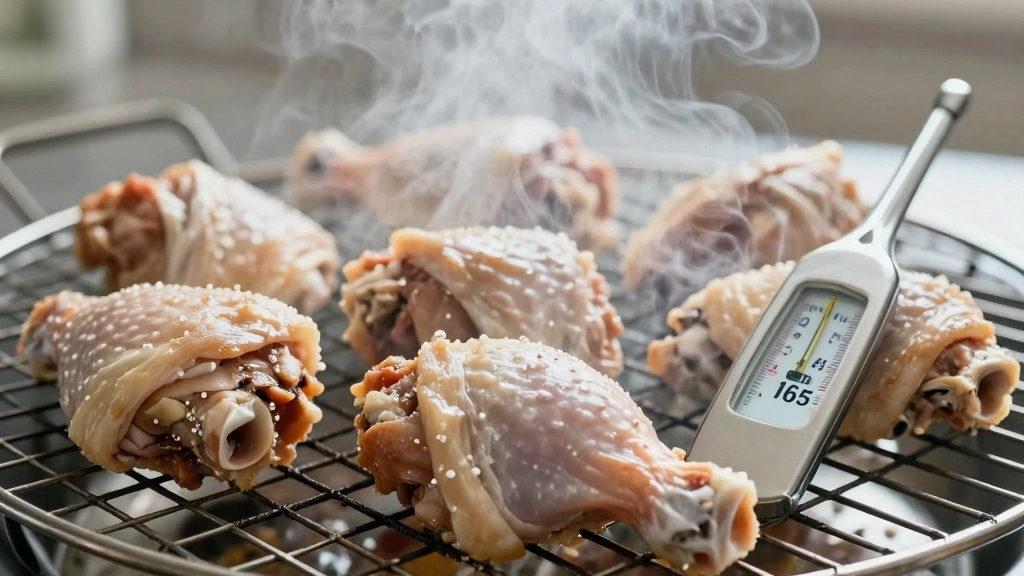
Remove the baking sheet from the oven once done.
Let the chicken rest on the rack for 5 minutes before serving.
This resting period allows juices to redistribute.
Check the final seasoning and adjust if necessary.
Step 8: Serve and Enjoy
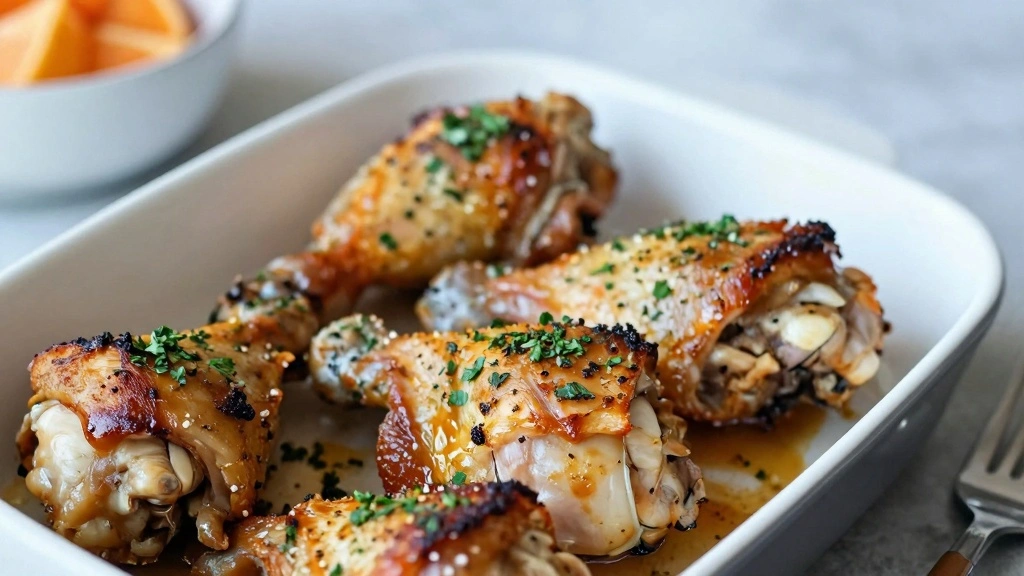
Transfer the rested chicken thighs to a serving platter.
Garnish with fresh herbs for added color and aroma.
Serve immediately with your choice of sides.
Enjoy the juicy, flavorful chicken with crispy skin.
Critical Timing and Temperature Guide
Baking: 35 minutes at 425°F (220°C), check internal temperature for 165°F (74°C) doneness; avoid opening the oven frequently as it lowers the temperature.
Resting: 5 minutes after baking to allow juices to redistribute, making the chicken juicier; avoid cutting too soon to prevent moisture loss.
Preheating: Ensure the oven is fully preheated before placing the chicken in for even cooking; use an oven thermometer to verify temperature accuracy.
Pro Tips for Oven Baked Chicken
• Ingredient Selection: Choose organic, free-range chicken thighs for the best flavor and texture.
• Preparation Secret: Allow the chicken to dry brine uncovered in the refrigerator for more flavorful, juicy results.
• Temperature Management: Ensure the oven is fully preheated to achieve crispy skin; fluctuations can lead to uneven cooking.
• Texture Enhancement: Baking on a wire rack allows air circulation, preventing soggy skin and ensuring even browning.
• Flavor Layering: Apply the spice rub under the skin as well as on top for deeper, more consistent flavor throughout the meat.
• Make-Ahead Strategies: Prep and marinate the chicken a day in advance, storing it in the fridge to deepen the flavors.
• Restaurant-Quality Finishing Touches: Garnish with fresh herbs and a squeeze of lemon juice just before serving for a fresh, bright finish.
• Equipment Optimization: Use a convection setting if available for more even baking and a crispier skin.
Troubleshooting Common Issues
• Chicken Too Dry: Overcooking is the main cause; check internal temperature early and remove from oven at 165°F (74°C).
• Skin Not Crispy: Ensure the chicken is dry before applying spices and use a wire rack for baking to allow air circulation.
• Spices Not Sticking: Pat the chicken dry thoroughly and apply a light layer of oil before the spice rub.
• Uneven Cooking: Make sure all chicken pieces are similar in size and thickness; rearrange oven racks for even heat.
• Flavor Not Balanced: Adjust seasoning to taste before baking; consider adding lemon zest or juice for brightness.
• Burned Spices: Check the oven temperature and use a baking sheet with a light-colored surface to prevent overheating.
Variations and Regional Differences
• Mediterranean Style: Incorporates olives, sun-dried tomatoes, and oregano into the seasoning for a bright, herbaceous flavor.
• Asian Fusion: Uses soy sauce, ginger, and sesame oil in the marinade, with a sprinkle of sesame seeds before serving.
• Spicy Southwest: Adds chili powder, cumin, and lime zest for a smoky, spicy kick inspired by Southwestern cuisine.
• Herb-Crusted: Uses a blend of fresh herbs like parsley and basil in the rub for a fresh, aromatic crust.
Food Science Behind the Recipe
• Maillard Reaction: This chemical reaction between amino acids and reducing sugars gives the chicken its brown color and complex flavor.
• Dry Brining: Salt draws out moisture, which then reabsorbs, tenderizing the meat and enhancing flavor.
• Heat Transfer: Convection baking ensures even heat distribution around the chicken, promoting uniform cooking.
Frequently Asked Questions
What's the most common mistake people make when preparing Oven Baked Chicken Thighs? Overcooking the chicken, which leads to dryness; using a meat thermometer helps prevent this.
Can I use skinless chicken thighs? Yes, but note that the skin-on version provides more flavor and moisture.
How can I make the chicken spicier? Add cayenne pepper or hot paprika to the spice rub for additional heat.
Can I prepare this recipe with chicken breasts? Yes, adjust the cooking time as breasts cook faster than thighs.
What sides go well with Oven Baked Chicken Thighs? Roasted vegetables, rice pilaf, or a fresh salad complement the dish nicely.
How do I store leftovers? Keep them in an airtight container in the fridge for up to 3 days or freeze for longer storage.
What's the best way to reheat without drying out the chicken? Reheat in a low oven (300°F) covered with foil to prevent moisture loss, or use a microwave with a splash of water.
Serving and Presentation Guide
• Traditional Presentation: Serve on a large platter with a garnish of fresh herbs and lemon wedges.
• Family Style: Arrange on a large wooden board with a variety of sides for a communal dining experience.
• Plated Elegance: Serve individually on plates with a drizzle of pan juices and a side of seasonal vegetables.
• Casual Gathering: Offer as part of a buffet with a selection of dipping sauces for guests to choose from.
Conclusion
Now that you've mastered the art of Oven Baked Chicken Thighs, you're ready to delight your family and friends with a dish that's both simple and sophisticated.
With just a few key techniques and a handful of ingredients, you've created something truly special.
So go ahead, share the joy of this flavorful recipe at your next meal.