
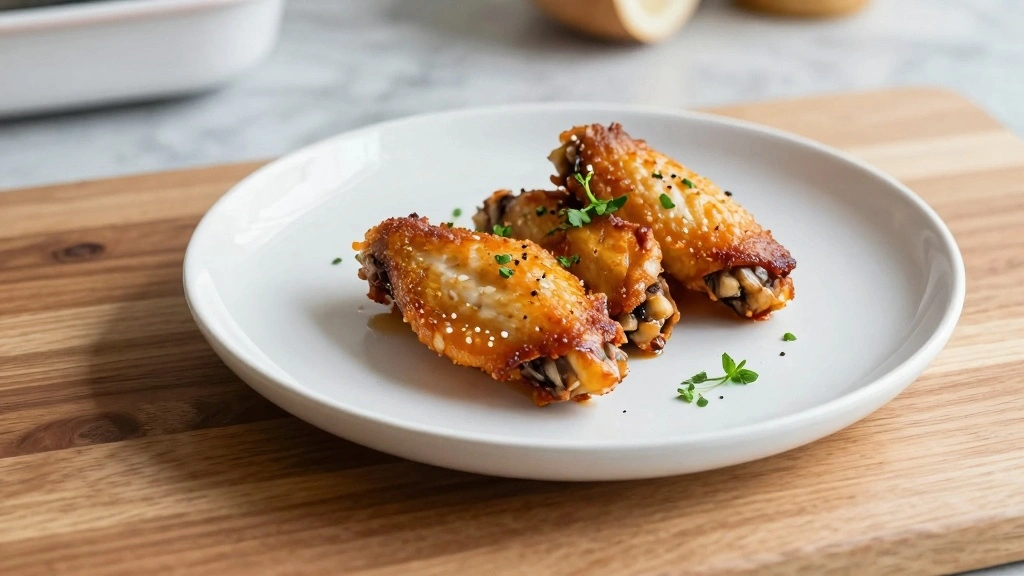
There’s something universally satisfying about biting into a perfectly crispy, oven-baked chicken wing.
The golden, crackling skin gives way to tender, juicy meat, creating a symphony of textures and flavors.
I first encountered this recipe at a summer barbecue, where the wings were the star of the show.
Their simplicity and bold flavor make them an ideal dish for both casual gatherings and more formal occasions.
Whether you’re a seasoned cook or a novice in the kitchen, this recipe promises to deliver delightful results with minimal fuss.
The History and Cultural Significance
• Whole Chicken Wings traces its origins to the mid-20th century United States, where it was originally popularized in Buffalo, New York.
• The dish evolved over decades as chefs experimented with different marinades and cooking techniques, eventually becoming the beloved version we know today.
• In American culture, this dish traditionally appears at sporting events and casual gatherings, symbolizing camaraderie and shared enjoyment.
• While many variations exist across different regions, the authentic version maintains a balance of crispy skin and tender meat that sets it apart from imitations.


Recipe Overview
Nutritional Information (per serving)
Essential Equipment Guide
Baking Sheet: A heavy-duty baking sheet is crucial for even heat distribution and achieving crispy skin. Alternatives include a grill pan or a wire rack placed over a baking sheet. Look for one with a non-stick surface for easy cleanup.
Wire Rack: Elevating the wings on a wire rack allows air circulation all around, which is key for crispiness. If unavailable, a makeshift rack can be made with crumpled foil. Ensure it’s oven-safe up to 500°F.
Sharp Knife: A sharp knife is important for trimming excess fat and separating wing joints if needed. Alternatives include kitchen shears. Choose a knife with a comfortable grip and a sturdy blade.




Ingredients
For the Wings
|
|
| Amount | Ingredient | Notes |
|---|---|---|
| 2 pounds | whole chicken wings | fresh, washed |
Seasonings
| Amount | Ingredient | Notes |
|---|---|---|
| 1 tablespoon | olive oil | enhances crispiness |
| 1 teaspoon | garlic powder | adds depth of flavor |
| 1 teaspoon | paprika | for color and mild heat |
| 1 teaspoon | salt | enhances overall taste |
| 1 teaspoon | black pepper | freshly ground, for spice |
Preparation Methods
Dry Brining: This technique involves coating the wings with salt and letting them rest in the refrigerator. It enhances flavor and helps the skin dry out, leading to better crisping. Make sure to pat the wings dry before brining.
Marination: Allow the wings to sit in the seasoning mix for at least an hour. This step infuses the meat with flavor. Use a zip-top bag to ensure the wings are evenly coated.
High-Heat Baking: Cooking at a high temperature is crucial for crispiness. Preheat the oven to 425°F and use a convection setting if possible. Ensure the wings are spaced out on the rack.



Step 1: Prepare Ingredients
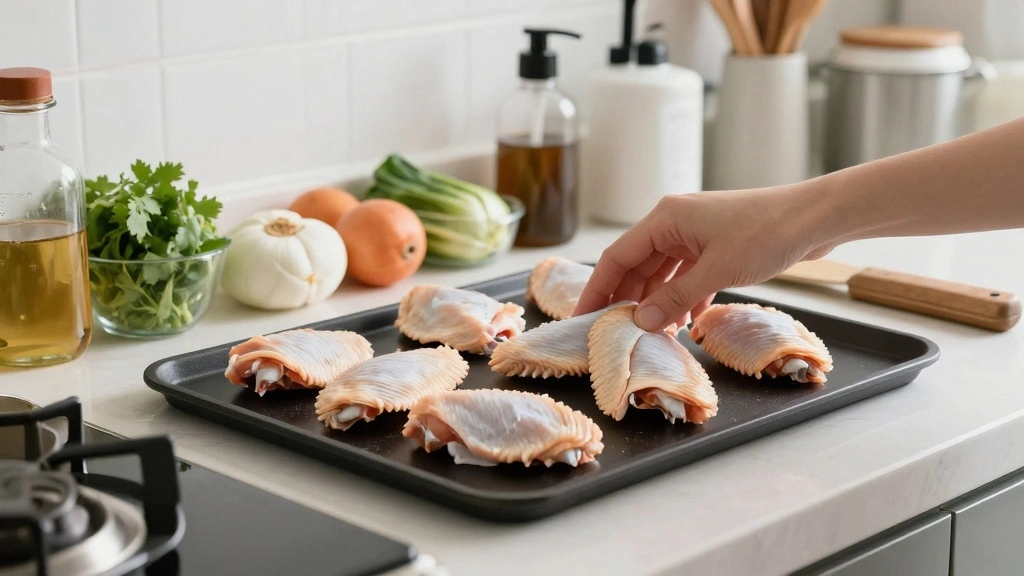
Gather all ingredients and equipment.
Wash and pat dry the chicken wings thoroughly.
Trim any excess fat or skin if necessary.
Ensure wings are at room temperature before seasoning.
![The Sourdough Bible: [3 in 1] The Most Complete Step-by-Step](https://m.media-amazon.com/images/I/51dFYAC70FL._SL500_.jpg)


Step 2: Dry Brine the Wings
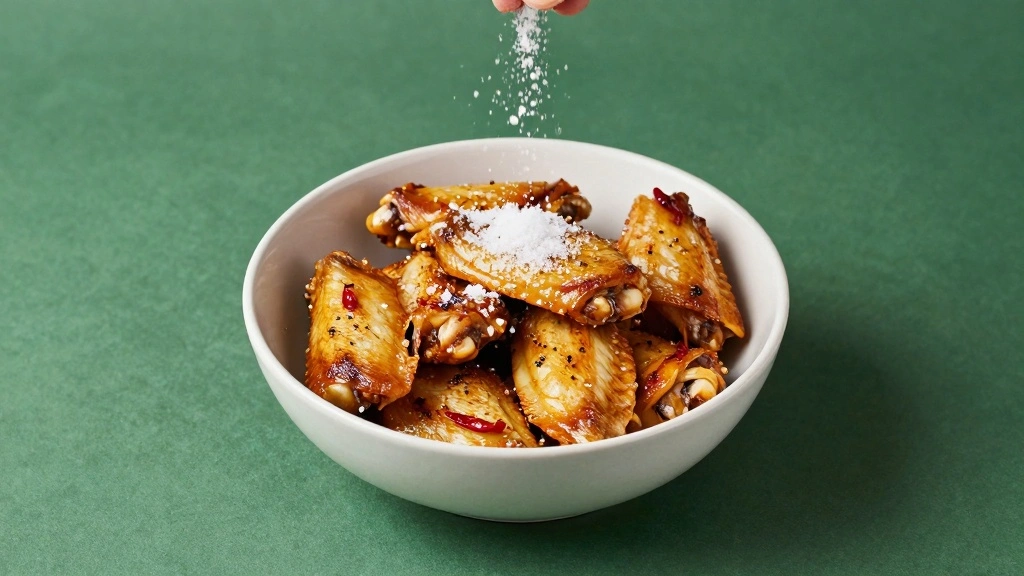
Place the wings in a large bowl.
Sprinkle salt evenly over the wings.
Gently toss to ensure all wings are coated.
Cover and refrigerate for at least 30 minutes.
Step 3: Preheat the Oven
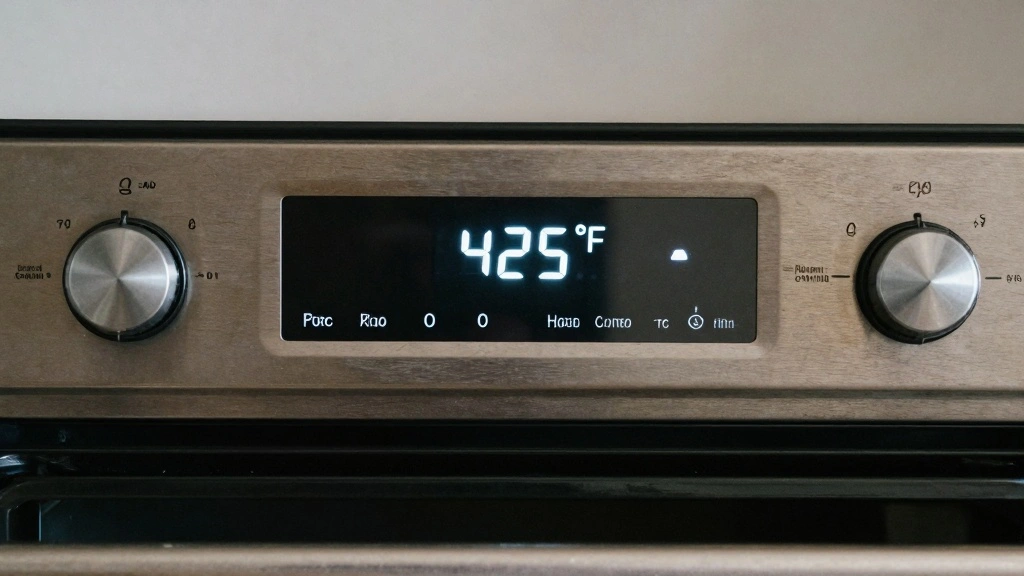
Set your oven to 425°F.
If available, use the convection setting for better air circulation.
Place the oven rack in the middle position.
Allow the oven to fully preheat before baking.
Step 4: Season the Wings
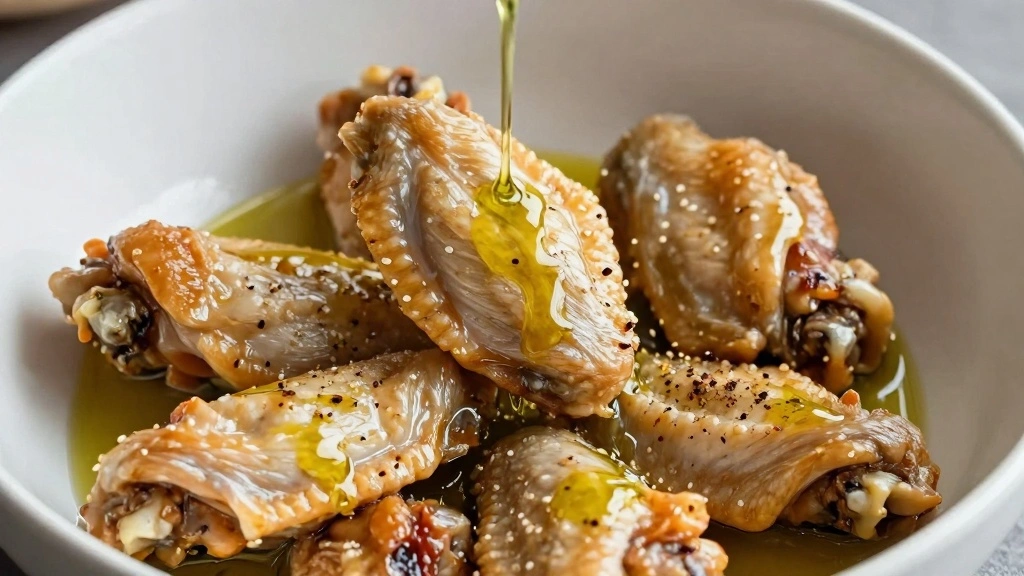
Remove wings from the refrigerator and drain any liquid.
Add olive oil, garlic powder, paprika, black pepper, and additional salt.
Toss until all wings are evenly coated with seasonings.
Let the wings marinate for another 15 minutes if time permits.
Step 5: Arrange on Wire Rack
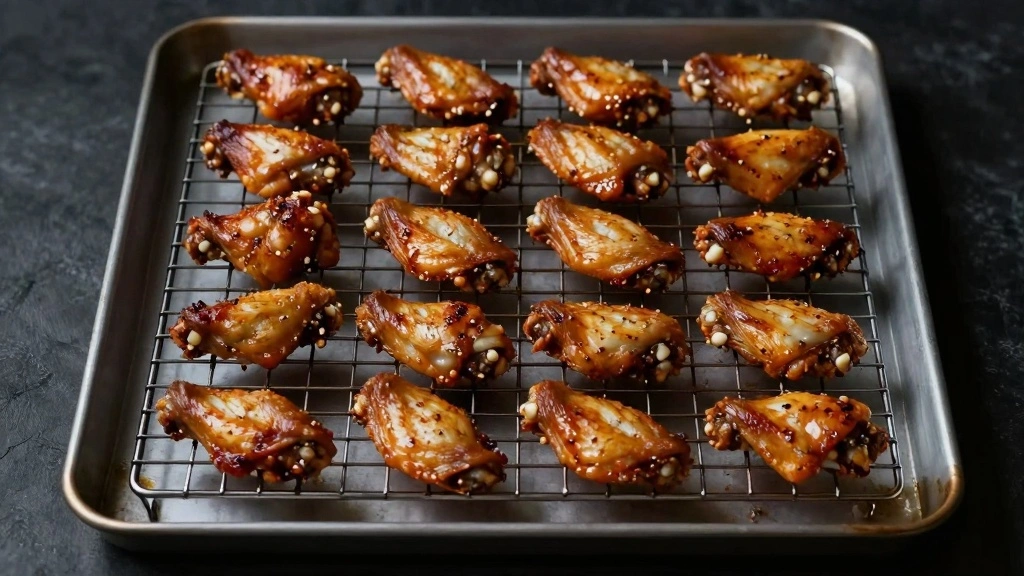
Place a wire rack over a baking sheet.
Arrange the wings in a single layer, skin-side up.
Ensure there's space between each wing for air circulation.
This step is crucial for achieving crispy skin.


Step 6: Bake the Wings
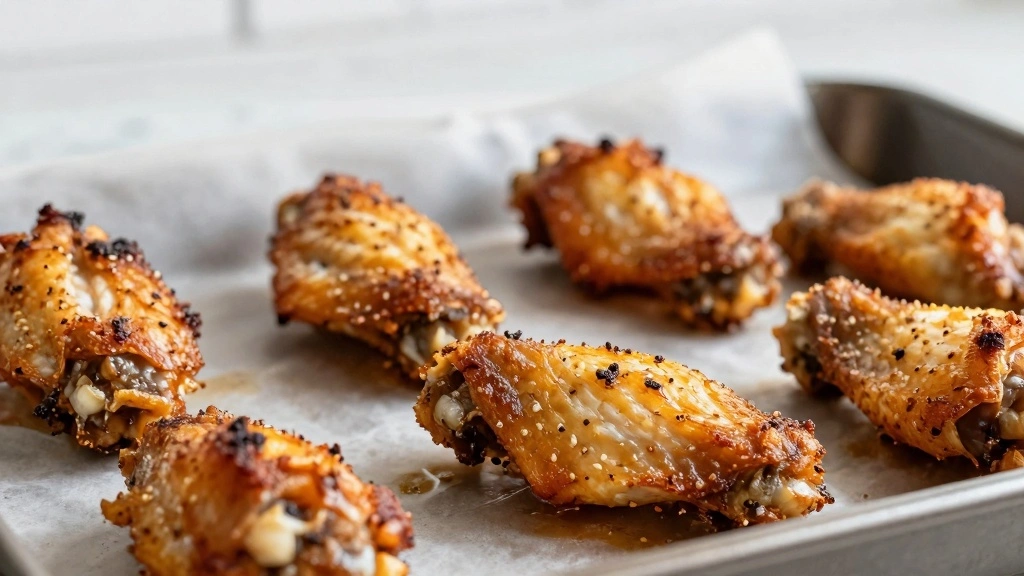
Place the baking sheet in the preheated oven.
Bake for 25 minutes, then flip the wings.
Continue baking for another 20 minutes until crispy and golden.
Check for doneness by ensuring the internal temperature reaches 165°F.
Step 7: Rest the Wings
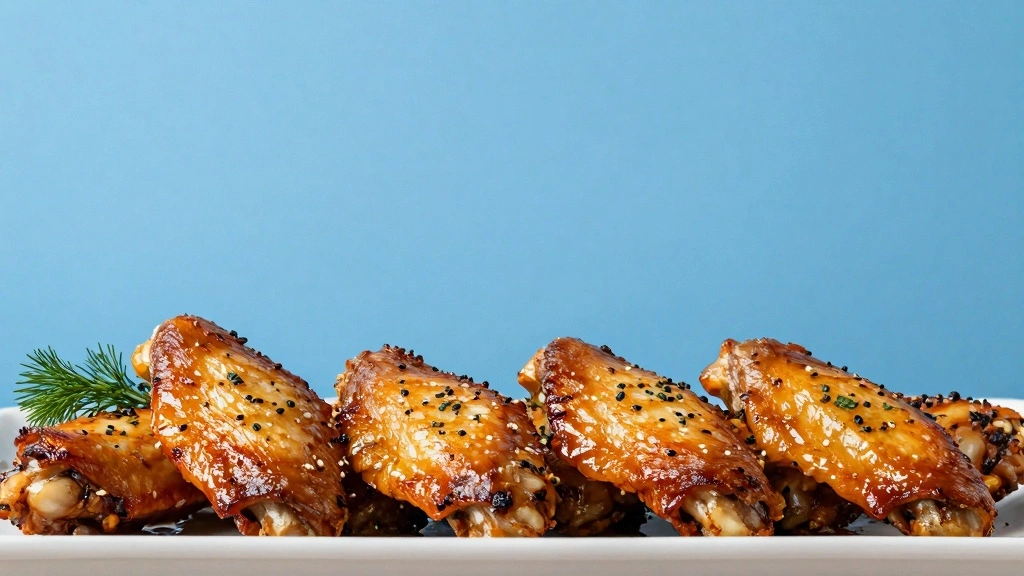
Remove the wings from the oven.
Transfer to a serving platter and let them rest for 5 minutes.
This allows the juices to redistribute, keeping the meat moist.
Garnish with fresh herbs if desired.




Step 8: Serve and Enjoy
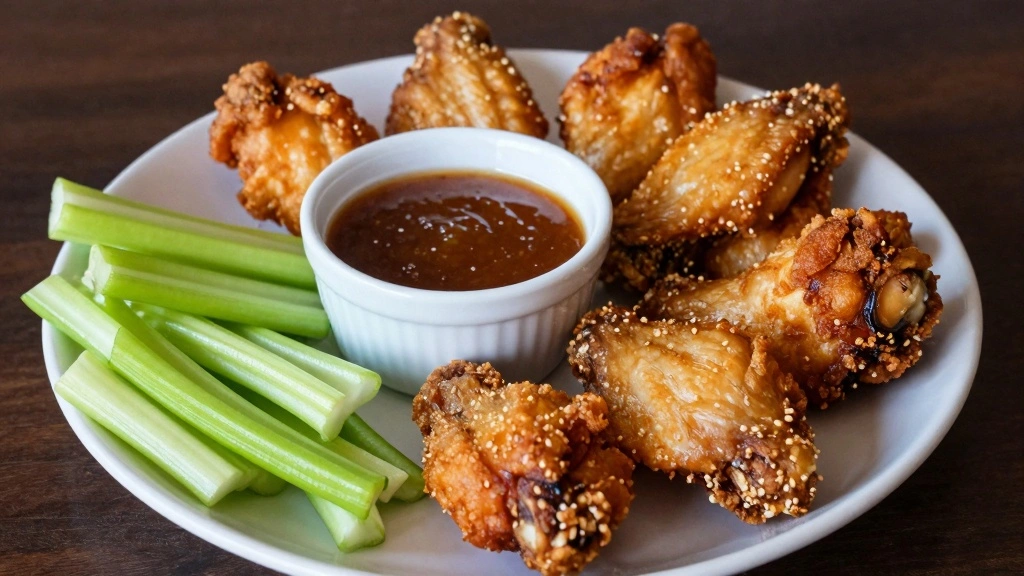
Serve the wings hot with your choice of dipping sauces.
Pair with celery sticks or a side salad for balance.
Encourage guests to enjoy the wings while crispy.
Relish the delightful combination of flavors and textures.
Critical Timing and Temperature Guide
Brining: Let the wings brine for at least 30 minutes. Ensure they are patted dry before brining to avoid excess moisture. Common mistake: Skipping this step, which results in less flavorful wings.
Marination: Allow at least 15 minutes for the marinade to infuse the wings. Ensure even coating. Mistake to avoid: Uneven seasoning distribution.
Baking: Bake at 425°F for a total of 45 minutes. Look for golden, crispy skin as an indicator of doneness. Avoid overcrowding the baking sheet, which can result in steaming instead of crisping.


Pro Tips for Whole Chicken Wings
• Ingredient Selection: Choose fresh, high-quality chicken wings for the best flavor and texture. Opt for organic or free-range wings if possible.
• Preparation Secret: Allow the wings to reach room temperature before cooking to ensure even heat distribution.
• Temperature Management: Use a meat thermometer to ensure the internal temperature reaches 165°F for safe consumption.
• Texture Enhancement: For extra crispy skin, you can coat the wings with a small amount of baking powder before baking.
• Flavor Layering: Add a squeeze of fresh lemon juice or a dash of hot sauce just before serving to enhance flavors.
• Make-Ahead Strategies: Prepare the wings and marinate them up to a day in advance; store covered in the refrigerator.
• Restaurant-Quality Finishing Touches: Garnish with freshly chopped parsley or cilantro for a burst of color and freshness.
• Equipment Optimization: If you don't have a convection oven, consider using a fan to help circulate air within the oven.


Troubleshooting Common Issues
• Skin Not Crispy: This can occur if the wings are too crowded on the baking sheet. Ensure proper spacing and use a wire rack to elevate them.
• Wings Too Salty: Over-brining can lead to excessive saltiness. Rinse and dry wings if this happens before baking.
• Undercooked Meat: Check the internal temperature with a meat thermometer to ensure it reaches 165°F. Return to oven if necessary.
• Flavors Unbalanced: Adjust the seasoning mix to taste, adding more or less of certain spices as needed.
• Overcooked and Dry: Reduce baking time slightly or lower oven temperature to avoid drying out the meat.
• Soggy Skin: Ensure wings are patted dry before seasoning and use high heat to achieve crispiness.
Variations and Regional Differences
• Buffalo Style: This version involves tossing the wings in a spicy Buffalo sauce made from hot sauce and butter after baking. It's a staple in American sports bars.
• Asian-Inspired: Use soy sauce, ginger, and sesame oil in the marinade for a flavorful twist. Often served with a sprinkle of sesame seeds.
• Caribbean Jerk: Marinate wings in a mixture of allspice, thyme, and Scotch bonnet peppers. This version is spicy and aromatic, popular in Caribbean cuisine.
• Honey Garlic: Coat wings with a mixture of honey and garlic before baking for a sweet and savory flavor profile.
• Herbed Mediterranean: Use olive oil, lemon, oregano, and thyme for a fresh, herbaceous flavor. Often served with tzatziki sauce.




Food Science Behind the Recipe
• Maillard Reaction: This chemical reaction between amino acids and reducing sugars gives the wings their golden-brown color and complex flavor. Understanding it helps achieve the perfect crispy skin.
• Protein Denaturation: As the wings cook, the proteins denature and coagulate, affecting texture. Proper cooking ensures tender, juicy meat.
• Heat Transfer: Conductive and convective heat transfer in the oven ensures even cooking. Proper rack placement and spacing facilitate this.
• Lipid Rendering: The fat from the skin renders out during cooking, contributing to the crispiness of the skin.
Frequently Asked Questions
What's the most common mistake people make when preparing Whole Chicken Wings? Overcrowding the baking sheet, which leads to steaming instead of crisping.
Can I use frozen wings for this recipe? Yes, but ensure they are fully thawed and patted dry to achieve the best results.
How can I make the wings spicier? Increase the amount of black pepper or add cayenne pepper to the seasoning mix.
What's the best way to store leftovers? Store in an airtight container in the refrigerator for up to 3 days. Reheat in the oven for crispiness.
Can I use this recipe for other cuts of chicken? Yes, adjust cooking times accordingly for larger pieces like drumsticks or thighs.
What dipping sauces pair well with these wings? Classic options include ranch, blue cheese, or a tangy barbecue sauce.
How do I ensure the wings are cooked through? Use a meat thermometer to check that the internal temperature has reached 165°F.
Is there a way to make this recipe healthier? Use less oil and serve with a side of fresh vegetables for a balanced meal.
Serving and Presentation Guide
• Traditional Presentation: Serve the wings on a large platter with fresh herbs and lemon wedges for a burst of color and flavor.
• Casual Style: Offer the wings in a basket lined with parchment paper, accompanied by dipping sauces in small bowls.
• Elegant Touch: Arrange the wings in a circular pattern on a white platter, garnished with microgreens or edible flowers for a sophisticated look.
• Family Style: Present the wings in a large bowl or tray, allowing guests to serve themselves. Include a variety of sauces and sides for a complete meal.
Conclusion

With a few simple techniques and ingredients, you can master the art of making crispy, oven-baked chicken wings.
Whether you're cooking for a crowd or a cozy night in, this recipe is sure to impress.
Don't hesitate to experiment with flavors and presentation to make it your own.
We hope these wings become a staple in your culinary repertoire.